10 Most Dangerous Snakes in Australia: A Complete Guide
Did you know that Australia is home to ten of the world’s most venomous snakes? While many people envision vast arid landscapes, the reality of Australian wildlife is both captivating and intimidating.
Understanding these serpentine creatures is essential for anyone exploring this unique continent, whether for residents or adventurous travelers. This article will delve into the most dangerous snakes in Australia, providing insights into their behavior and how to safely navigate their territory.
Unique Venom Potency of Australian Snakes
Australia is home to some of the most dangerous snakes in the world, with their venom serving as a powerful evolutionary tool. The eastern brown snake exemplifies this, showcasing venom that can paralyze its prey rapidly due to a highly specialized blend of neurotoxins.
Its lethal efficacy has shaped not only its predatory success but also the human encounters that define the narrative of venomous snakes in Australia; despite its notoriety, many bites occur when humans inadvertently cross paths with these elusive creatures.
The coastal taipan takes venom potency to another level, producing vast quantities that set it apart. With a single milking yielding up to 5.2 grams of venom, this snake can incapacitate a staggering number of prey, reflecting the adaptations that drive its dominance in the Australian ecosystem.
The complexity of its venom means that it can disrupt blood clotting and nerve function, charting a destructive course that emphasizes the snake’s ecological role as a predator. For those who encounter these remarkable yet formidable species, awareness and respect are essential, allowing for coexistence in a land where danger and beauty intertwine.
Most Dangerous Snakes in Australia
Here we tell you 10 Most Dangerous Snakes in Australia
The Inland Taipan: The World’s Most Venomous Snake
The Inland Taipan, often referred to as the “fierce snake,” boasts the most potent venom among terrestrial snakes, a fact backed by scientific research. Its venom contains a cocktail of neurotoxins and procoagulants, capable of incapacitating prey in mere minutes. This extraordinary adaptation is a survival mechanism in the harsh, arid landscapes of South Australia and Queensland, where prey is scarce and competition is fierce.
Eastern Brown Snake: Australia’s Leading Cause of Snakebite Fatalities
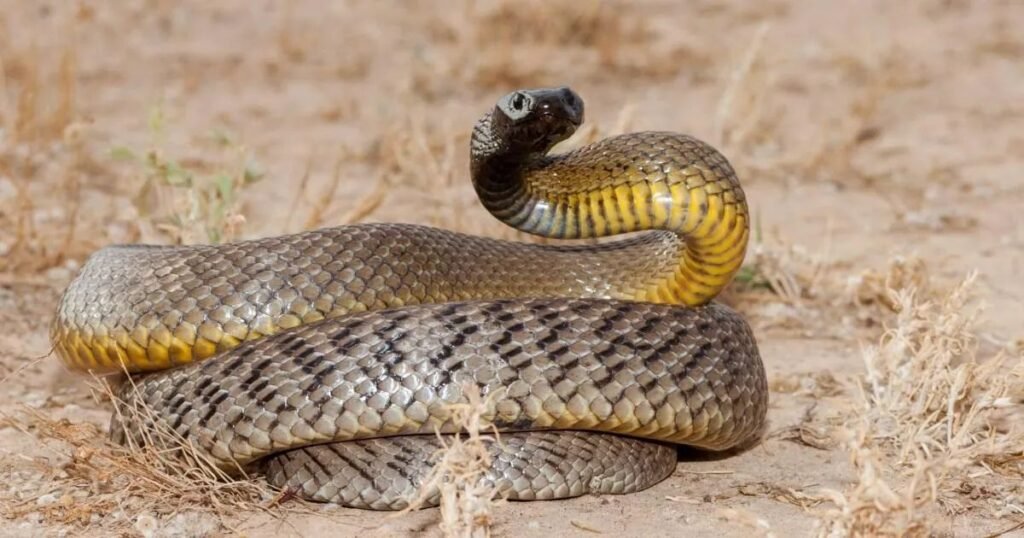
The Eastern Brown Snake, Australia’s leading cause of snakebite fatalities, holds a pivotal role in the ecosystem, yet it is often viewed through a lens of fear. Found in diverse habitats from bushlands to urban landscapes, this adaptable reptile flourishes in close proximity to human activity. Surprisingly, it has a propensity to venture into backyards, making encounters not only common but potentially deadly, especially for the unprepared.
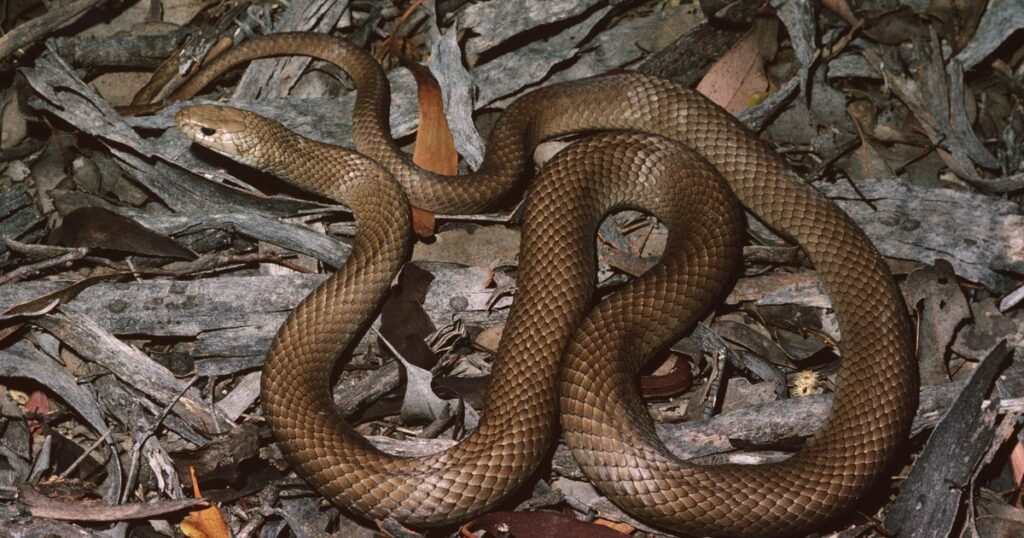
Coastal Taipan: Lightning-Fast and Highly Venomous
The Coastal Taipan (Oxyuranus scutellatus) is a striking embodiment of nature’s paradox — beauty wrapped in peril. Found along the northern and eastern coastlines of Australia, this snake is not only renowned for its formidable speed but also for its incredible agility, enabling it to navigate through dense vegetation and rocky terrains with ease.
In an environment where survival hinges on such skills, the Coastal Taipan stands out as the ultimate predator, capable of striking with lightning-fast precision.
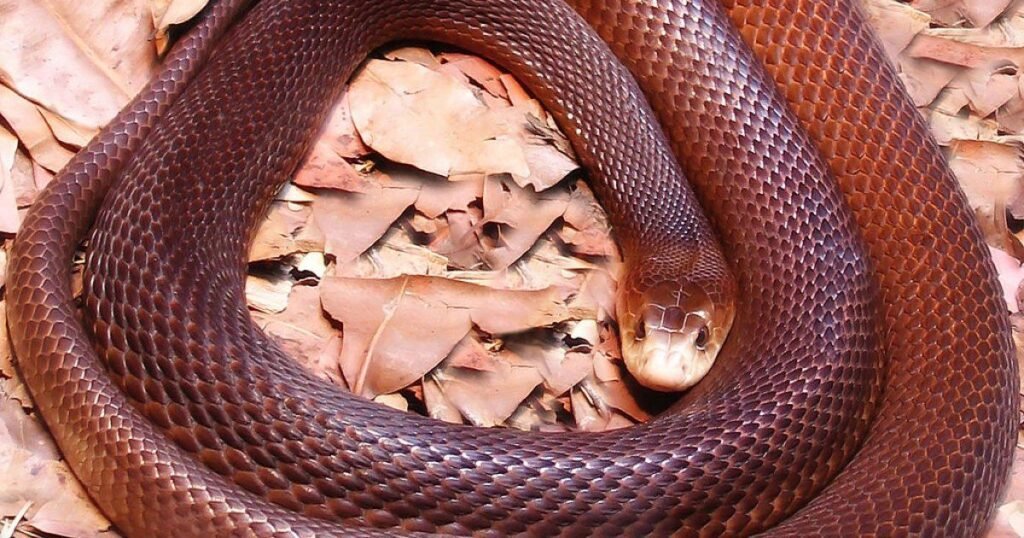
Tiger Snake: Distinctive Bands and Potent Venom
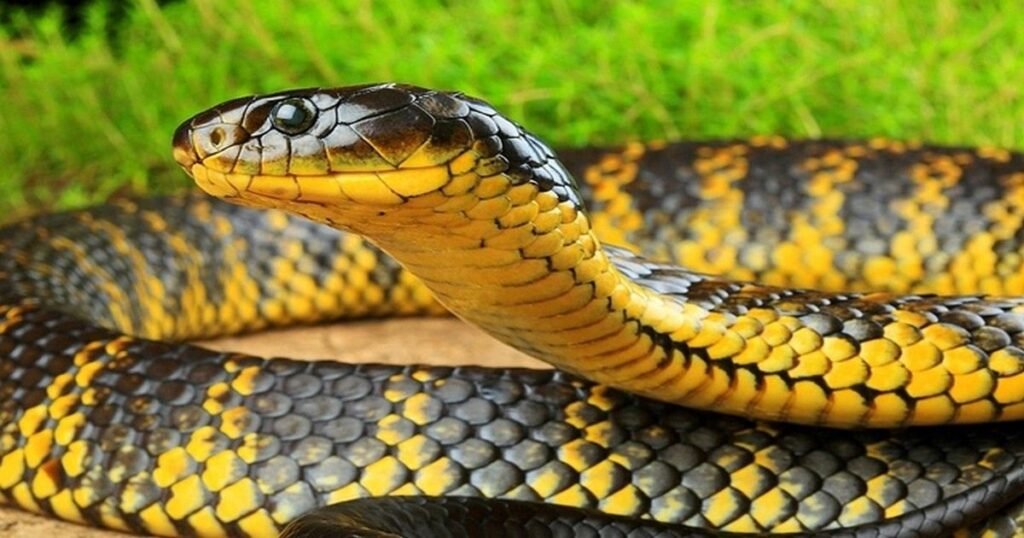
Tiger snakes (Notechis scutatus) are remarkable for their distinctive bands, a striking feature that not only grants them their name but also serves as a warning to potential predators. Found predominantly in wetland and coastal environments of southern Australia, including Tasmania, these snakes are perfectly adapted to their habitats.
Their banding serves as camouflage among reeds and grasses, allowing them to ambush unsuspecting prey while also posing a significant threat to humans and animals alike.
Death Adder: Master of Camouflage
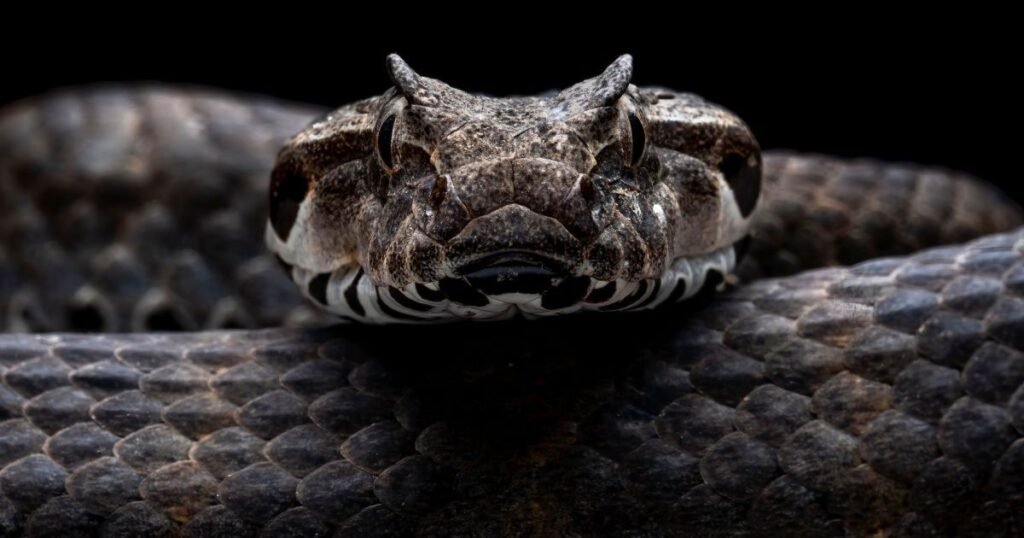
The Common Death Adder (Acanthophis antarcticus) is a master of camouflage, often blending seamlessly into its environment, making it a stealthy predator and a danger to unsuspecting humans. With its ability to remain motionless, waiting patiently to strike, this snake has honed its ambush technique to perfection.
When it does decide to unleash its speed, the remarkable velocity of its strike is nothing short of mesmerizing — hitting targets in less than 0.15 seconds. This deadly efficiency, combined with its cryptic appearance, underscores why it’s often referred to as nature’s silent assassin.
Mulga Snake: Australia’s Largest Venomous Serpent
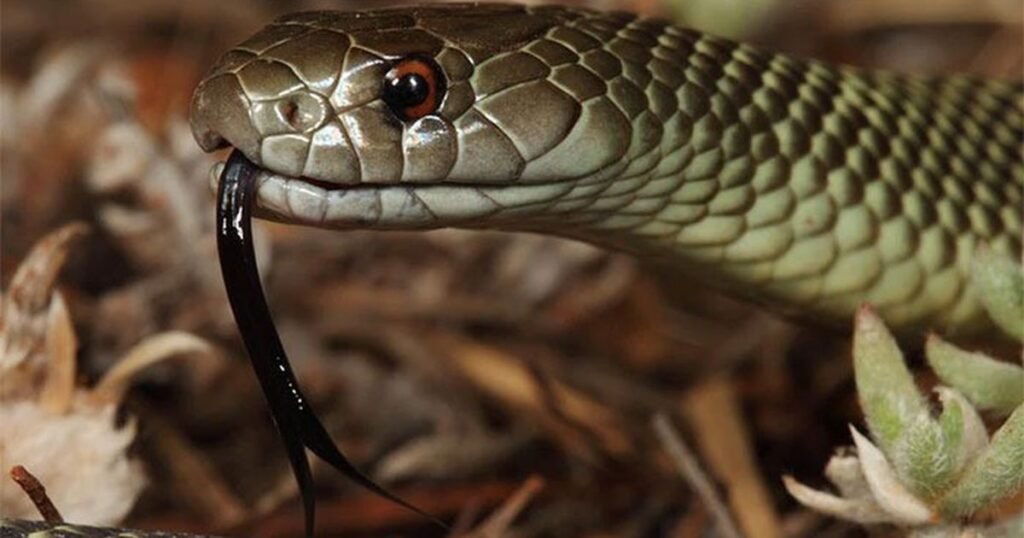
The Mulga Snake, Australia’s largest venomous serpent, commands both respect and trepidation in the diverse tapestry of Australian wildlife. Renowned for its striking coloration and formidable size, this snake is often misunderstood due to its misleading name.
Belonging to the black snake family rather than the brown one, the Mulga’s sleek, glossy scales reflect a life etched in the harsh conditions of the Australian outback. Its adaptability not only showcases its evolutionary prowess but also highlights the poignant balance of life and danger in its environment.
Red-Bellied Black Snake: Common Yet Less Aggressive
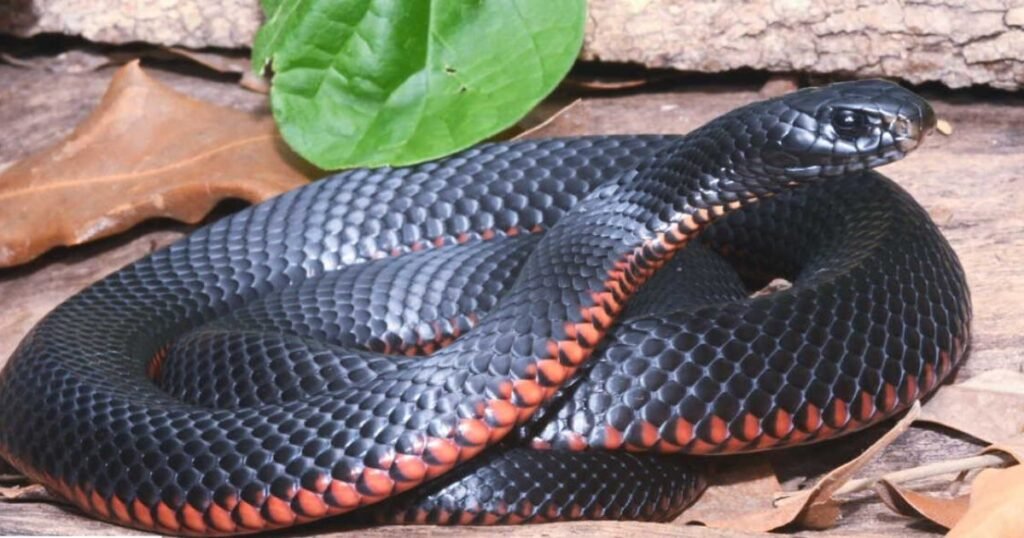
The Red-Bellied Black Snake, known scientifically as *Pseudechis porphyriacus*, is a strikingly beautiful species often encountered in Australia’s diverse ecosystems. With its glossy black top and vibrant red or orange belly, it captures the attention of nature enthusiasts and casual observers alike.
However, while its appearance may evoke awe, this snake is more misunderstood than menacing. Common yet less aggressive, the Red-Bellied Black Snake typically prefers to retreat when threatened, relying on its excellent camouflage to avoid confrontation.
Western Brown Snake: Widespread and Variable
The Western Brown Snake, also known as Gwardar (Pseudonaja mengdeni), epitomizes the incredible biodiversity of Australia. This species is widespread and variable, inhabiting a range of ecosystems from arid deserts to coastal regions.
Its striking coloration, which can shift from deep browns to a more golden hue, serves as both a camouflage and a challenge for identification, leaving herpetologists and nature enthusiasts alike intrigued.

Small-Eyed Snake: Nocturnal and Secretive
The Small-Eyed Snake (Cryptophis nigrescens) embodies the mysteries of the night, thriving along the eastern coast in a world that remains largely unseen to humans. Nocturnal and secretive by nature, this slender serpent relies on its keen senses to navigate its dark surroundings while hunting for small prey. Its lifestyle invites intrigue, as many are blissfully unaware of the potency of its venom, which is rich in myotoxins that can inflict profound muscle damage.
Lowland Copperhead: Cold-Climate Dweller
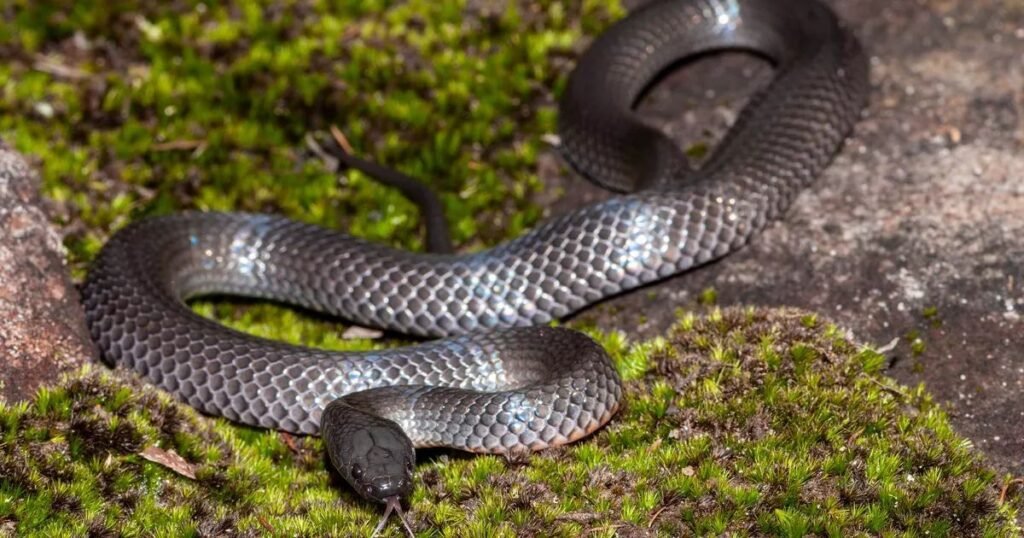
The Lowland Copperhead (Austrelaps superbus) defies conventional expectations of venomous snakes by thriving in cooler climates, making it a fascinating case study for herpetologists and wildlife enthusiasts alike. This cold-climate dweller has carved out a unique niche, often residing above the snow line where few snakes dare to tread.
Its presence near water sources, such as dams and drainage ditches, adds a layer of intrigue, as these habitats provide essential resources in an otherwise challenging environment.

Read Also: Top 10 Biggest Spiders in The World
Snakebite Statistics in Australia
Australia’s snakebite statistics present a sobering picture of the nation’s rich yet dangerous wildlife. With around 3,000 reported snakebite incidents each year, the human-animal interaction often teeters on a fine edge of fascination and fear.
At the heart of these statistics lies the Eastern Brown Snake, a creature both revered and reviled; it’s responsible for approximately 60% of snakebite fatalities. This striking species exemplifies the delicate balance between a thriving ecosystem and the risks it poses to humans who venture into its habitat.
Role of Snakes in Australian Ecosystems
The role of snakes in Australian ecosystems extends far beyond their predatory abilities; they are integral to the health and stability of their environments. For instance, the inland taipan’s predation on small mammals not only curbs overpopulation but also supports the survival of native vegetation. By maintaining the balance among species, these enigmatic reptiles foster a thriving biodiversity, which in turn allows other interconnected wildlife to flourish.
Moreover, the eastern brown snake illustrates the adaptability of these reptiles in urban environments. As they control rodent populations, they inadvertently protect human health by minimizing the risks of diseases carried by these pests. This symbiotic relationship between snakes and their ecosystems showcases their vital contributions, reinforcing their status as key players in nature’s intricate web.
Culturally, snakes are woven into the fabric of Indigenous Australian stories and art, symbolizing wisdom, transformation, and the interconnectedness of life. This deep-rooted reverence for snakes highlights a respect for their ecological roles, suggesting that their preservation is essential not only for nature but for the rich cultural narratives that celebrate it.
The role of snakes in Australian ecosystems is thus a testament to the delicate interplay between nature and culture, urging us to recognize their significance in both realms.
Safety Tips: Preventing and Responding to Snake Bites
- Stay Alert: Be cautious in snake-prone areas, especially during warmer months when snakes are more active.
- Wear Protective Clothing: Use boots and long pants when hiking or working in areas with tall grass or underbrush.
- Avoid Provocation: Never attempt to handle or kill a snake. Most bites occur when individuals try to interact with them.
- Seek Professional Help: If you encounter a snake in your home or property, contact a licensed snake catcher for safe removal.
First Aid Measures for Snake Bites
- Apply a Pressure Immobilization Bandage:
Wrap a firm bandage around the bite site and up the entire limb — do not remove it until medical help arrives. - Do NOT Wash the Bite Site:
Traces of venom can assist in identification and treatment. - Do NOT Attempt to Suck Out the Venom or Cut the Bite Area.
These outdated methods do more harm than good. - Call Emergency Services Immediately:
Dial 000 in Australia for urgent medical assistance. Time is critical.
Top 10 Most Dangerous Snakes in Australia (Recap)
- Inland Taipan – Most venomous land snake in the world.
- Eastern Brown Snake – Responsible for the most fatalities.
- Coastal Taipan – Lightning-fast and neurotoxic.
- Tiger Snake – Found in southern regions with potent venom. The mainland tiger snake is particularly common in coastal and wetland areas of southern and eastern Australia.
- Death Adder – Fast-striking and extremely venomous.
- Mulga (King Brown) Snake – Large, widespread, and venomous.
- Red-Bellied Black Snake – Common and recognizable.
- Western Brown Snake – Widespread with a potent bite.
- Lowland Copperhead – Active in cooler climates.
- Small-Eyed Snake – Nocturnal and often overlooked.
Conclusion
Understanding the most dangerous snakes in Australia is crucial for anyone spending time outdoors. By familiarizing yourself with their habitats and behaviors, you can significantly reduce your risk of encountering these formidable creatures.
Remember to stay vigilant and follow safety tips to keep yourself and others safe while exploring the wild. Armed with the knowledge from our guide, you can enjoy your Australian adventures with confidence. So gear up, stay informed, and embrace the beauty of nature while remaining cautious!
FAQs
What is the most dangerous snake in the world?
The Inland Taipan, also known as the “fierce snake” or “small-scaled snake,” is often regarded as the most dangerous snake in the world due to its incredibly potent venom. With a venom that is estimated to be 50 times more toxic than that of the Indian cobra, a single bite can deliver enough neurotoxins to kill multiple adult humans.
Who is the king of all snakes?
The king cobra (Ophiophagus hannah) is often referred to as the “king of all snakes” due to its impressive size and status as the longest venomous snake in the world, growing up to 18 feet in length.
Has anyone survived a taipan bite?
Yes, there have been documented cases of individuals surviving bites from a coastal taipan, one of the most venomous snakes in the world. The Mount Marlow woman you mentioned is a testament to the effectiveness of prompt medical intervention.
Which is deadlier, cobra or python?
When comparing the deadliness of cobras and pythons, it’s essential to consider their different methods of killing. Cobras are venomous snakes, and their bites can quickly cause severe health issues or death if untreated.