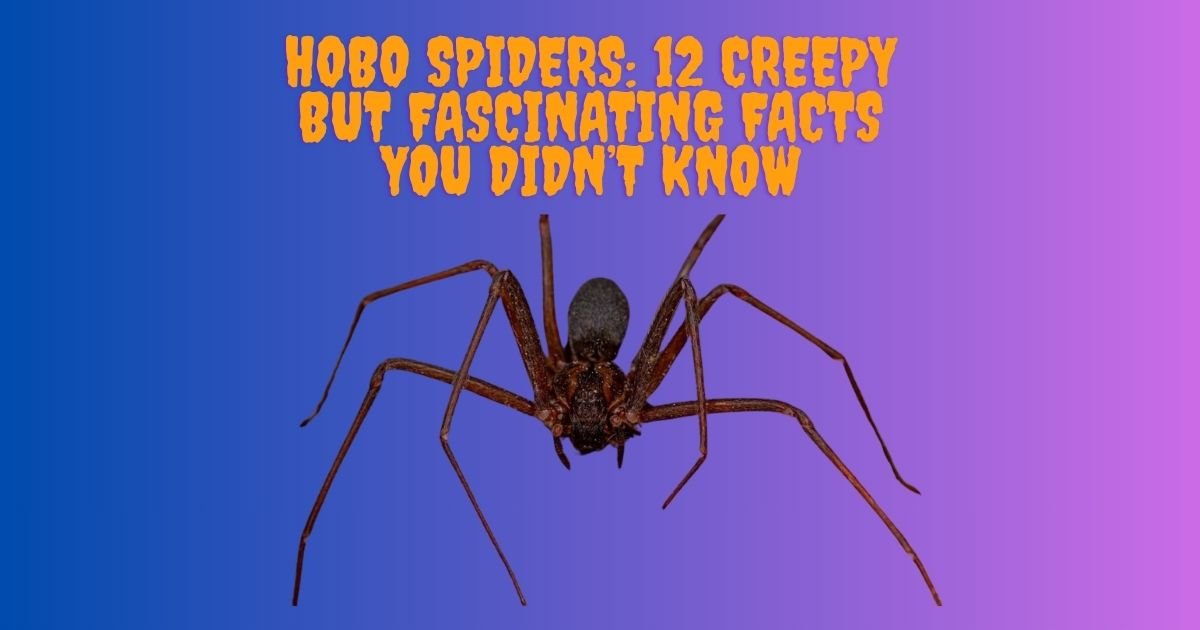
Hobo Spiders: 12 Creepy but Fascinating Facts You Didn’t Know
Did you know that the infamous hobo spider, a notorious hitchhiker from Europe, has made its way across the Atlantic to North America? Since childhood, I’ve felt a mix of admiration and trepidation toward spiders, with the hobo spider embodying this complex relationship.
In this article, we’ll explore the life of these fascinating creatures, their impact on our ecosystems, and why understanding them is crucial not just for arachnophiles, but for everyone navigating the outdoors. Join me as we unravel the mysteries surrounding hobo spiders and what they mean for biodiversity.
1. The Hobo Spider’s True Identity
The Hobo Spider’s true identity often gets lost in the shadows of misconceptions, leading many to confuse it with the infamous brown recluse. While both spiders share a similar brown hue, the hobo spider lacks the distinctive violin-shaped marking that is a hallmark of the recluse.
This misidentification can cause unnecessary alarm, as many fear the hobo’s so-called aggressive nature, which is merely a reflection of its habitat preferences fields and gardens rather than homes.
In reality, the hobo spider is not aggressive but rather solitary, demonstrating typical spider behavior of retreating when threatened. Its funnel web, a sheet-like structure woven close to the ground, serves as a hunting ground where it waits for unsuspecting prey.
Understanding the hobo spider’s role in our ecosystems reveals its crucial contribution to controlling pest populations, highlighting its importance beyond mere appearances. Recognizing The Hobo Spider’s true identity allows us to embrace the fascinating intricacies of this misunderstood creature instead of letting fear dictate our perceptions.
2. Where Do Hobo Spiders Live?
Hobo spiders are fascinating creatures that thrive in damp, hidden environments, making their homes in dark, moist places like basements, crawl spaces, and behind walls. Their preference for such habitats not only provides shelter but also ensures they remain close to the organic material they feed on, such as insects.
Outside, you might find them nestled near foundations, under rocks, or lurking in tall grasses and wood piles, where they can easily ambush unsuspecting prey.
While they may be labeled as house spiders, hobo spiders primarily live outdoors for most of the year. It’s during the mating season, peaking from August to October, that male hobo spiders venture into homes, driven by an instinctive search for females.
This seasonal migration can lead to an alarming misidentification, especially in California, where reports have surfaced of hobo spiders, yet many sightings may involve similar-looking species. Exploring the intriguing life and behavior of these spiders sheds light on their ecological role, debunking myths and encouraging a better understanding of their place in the environment.
3. How Big Do Hobo Spiders Get?
Adult hobo spiders typically measure between 7–14 millimeters in body length, but encompassing their long legs, they can span an impressive 40–50 millimeters across. This size range positions them squarely among the more sizable arachnids found in homes, but it’s the females that command attention with their larger, more robust builds.
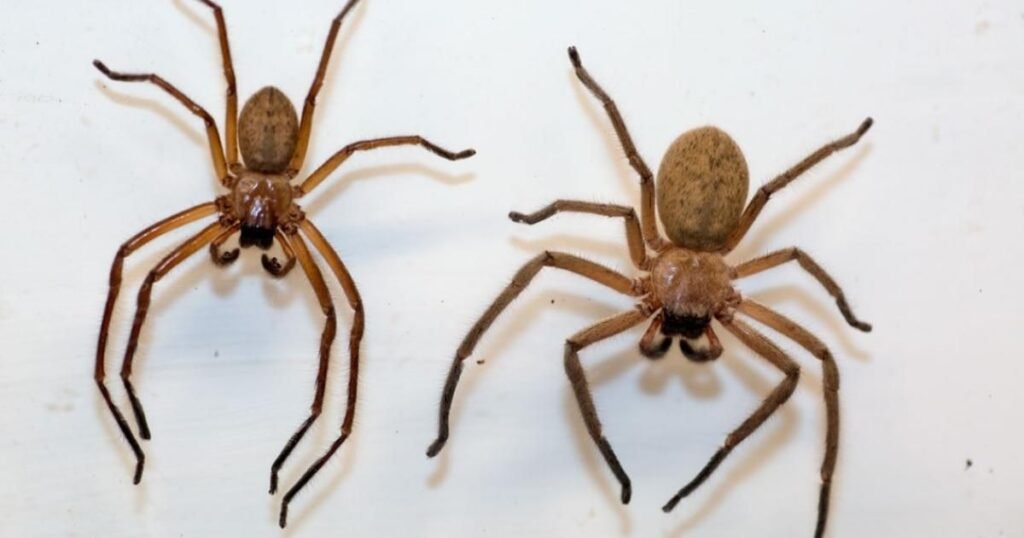
The male hobo spider, on the other hand, boasts longer and thinner legs, enhancing its unique profile. When discussing arachnid scale, it’s easy to confuse hobo spiders with the giant house spider due to their similar appearances, yet a closer look reveals subtle differences that set them apart.
One of the most distinctive features of male hobo spiders is their pedipalps, which resemble small boxing gloves — an intriguing characteristic that aids in their reproductive roles. These appendages not only differentiate males from other species but also highlight the fascinating world of spider mating rituals.
4. Hobo Spider Webs: Funnel Architects
Hobo spider webs stand out as intricate masterpieces of structural engineering, showcasing the arachnid’s unique ability to thrive in its environment. These funnel architects craft flat, expansive sheets that lead into narrow, tunnel-like retreats, which serve as both a lair and a trap.
Unlike the sticky snares of their cobweb-spinning cousins, hobo spiders rely on the precise design of their webs and their incredible speed to capture prey. The vibration-triggered alert system is a testament to their evolutionary adaptation; it allows them to respond swiftly and effectively when an unsuspecting insect ventures onto the web’s surface.
While many spiders adhere to conventional trapping tactics, the hobo spider has perfected a dynamic hunting strategy. When vibrations signal the arrival of potential meals like flies and beetles the spider zips out from its hiding spot, showcasing both agility and efficiency.
This predatory prowess not only helps control pest populations but also highlights the intricate balance of ecosystems. Interestingly, female hobo spiders often establish lifelong residences in these funnel webs, reinforcing the notion that a well-built home can make all the difference in survival.
5. Why Are They Called “Hobo” Spiders?
The name “hobo spider” evokes an image of adventure, capturing the imagination with tales of these eight-legged travelers hitching rides across the Pacific Northwest. Emerging in the 1980s, this moniker was born from the notion that these arachnids, like wandering hobos, stealthily navigated the railway systems in search of new habitats. While this narrative is undeniably vivid, it clouds a deeper understanding of how spider species adapt and spread in their environments.
In reality, the dispersion of hobo spiders is more nuanced, involving a variety of natural and human-facilitated methods. Factors such as wind currents and human transportation play significant roles in their expansion, challenging the romanticized image of train-hopping arachnids.
Despite the limited evidence supporting the hobo theory, the name has persisted, a testament to how folklore can shape our perception of nature. Exploring these myths not only enhances our appreciation of these creatures but also prompts a larger reflection on the way we interact with the natural world around us. Why are they called “hobo” spiders? The answer lies as much in our storytelling as in their biology, blending fact with a touch of whimsy.
6. Hobo Spider vs Brown Recluse: Key Differences
When delving into the Hobo Spider vs Brown Recluse: Key Differences, it’s crucial to recognize the misconceptions that often cloud public understanding. While both species receive their share of notoriety, the stark contrast in their appearances and habitats reveals a more nuanced story.
Hobo spiders, primarily found in the Pacific Northwest, blend seamlessly into their environments, lacking the striking markings that define their brown recluse counterparts. The latter, notorious for the distinct violin shape on its cephalothorax, serves as a reminder of how physical features can influence public perception and fear.
There is a significant disconnect regarding their venom effects. Early tales of the Hobo spider’s bite causing necrotic wounds have been thoroughly debunked by research from institutions like Utah State University.
This study emphasizes that while both spiders possess venom, the effects and risks associated with Hobo spider bites are often exaggerated, leading to unnecessary trepidation. Understanding these Hobo Spider vs Brown Recluse: Key Differences not only informs better spider identification but also reduces unwarranted panic, allowing us to appreciate these fascinating arachnids without fear.
7. Are Hobo Spiders Poisonous to Humans?
Understanding the hobo spider in the context of human interaction debunks many myths that surround these often-misunderstood creatures. Unlike the infamous brown recluse, whose venom can cause serious complications, hobo spiders primarily wield their venom against small insects.
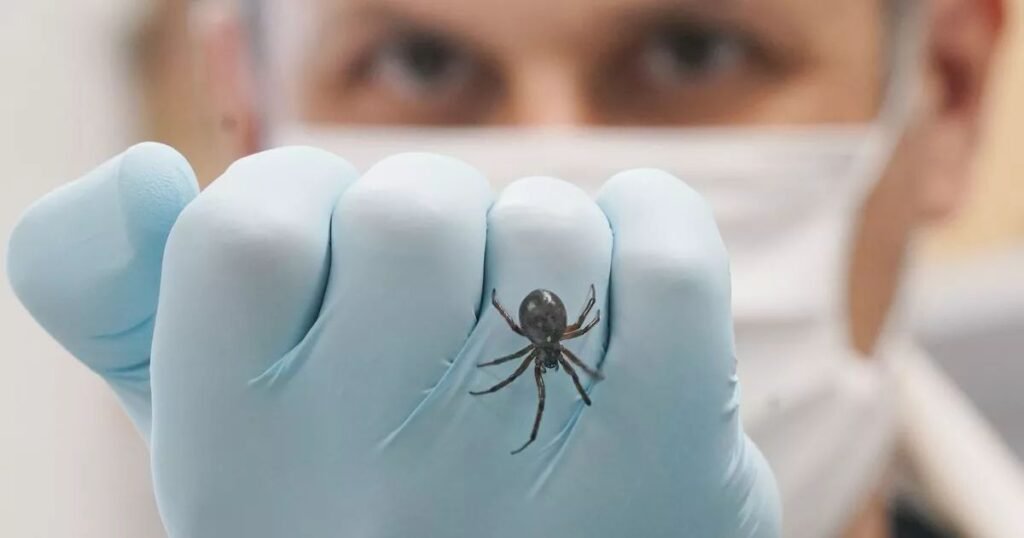
This means that their bite poses minimal risk to humans, often resulting in merely mild pain or slight irritation. Recognizing these key differences is crucial, especially for anyone living in regions where both spiders might coexist.
It’s important to note that when bites are reported, the ensuing symptoms are frequently attributed to underlying bacterial infections rather than the spider’s venom itself. Conditions like MRSA can manifest similarly to a spider bite, leading to unnecessary alarm about hobo spider encounters.
When navigating concerns about spider bites, focusing on proper diagnosis and understanding the distinct characteristics of spiders like the hobo and brown recluse can lead to more effective treatment and improved peace of mind. By emphasizing education over fear, we can foster a healthier attitude towards our eight-legged neighbors, allowing us to coexist with them safely.
8. What Does a Hobo Spider Bite Look Like?
What does a hobo spider bite look like? At first glance, it can be deceptively benign, often resembling an ordinary insect bite with mild redness and slight swelling. Surprisingly, the bite may form a small blister, but unlike the dramatic stories circulating about necrotic wounds, verified hobo spider bites tend to heal without complications.
This common misconception can lead to unnecessary panic, as many alleged spider bites are actually misidentified skin infections or reactions to other insect stings.
For anyone uncertain about their symptoms, thorough cleaning is the first step. Observing changes over time can provide valuable insights; if you notice an increase in swelling, warmth, or even pus, it’s likely an indication of a bacterial infection rather than venom at play.
Understanding this distinction can empower individuals to make informed decisions about seeking medical help, ultimately reducing anxiety surrounding these oft-misunderstood creatures. Remember, knowledge is your best defense against fear and the hobo spider is often less villain than perceived.
9. Hobo Spider Bite Treatment and Management
When addressing a hobo spider bite, the first step in treatment and management is straightforward yet essential: clean the bite site with mild soap and water. This fundamental action not only mitigates the risk of bacterial infection but also sets the stage for effective healing.
Following cleansing, a cold compress can be your best friend, soothing any swelling and providing immediate relief from discomfort. Imagine the comfort of a simple ice pack while your body’s natural healing processes get to work.
Symptom management is equally simple but can significantly enhance your recovery experience. Over-the-counter antihistamine creams can alleviate itching, allowing you to focus on daily tasks without the nagging distraction of discomfort. If pain persists, mild pain relievers like ibuprofen can help manage any lingering sensations.
Staying attuned to your body’s signals is crucial; be vigilant for alarming symptoms like dizziness or shortness of breath, which warrant urgent medical attention. In some cases, a doctor might prescribe antibiotics if signs of infection develop, further emphasizing the importance of monitoring your symptoms closely. With the right care strategies in place, a hobo spider bite doesn’t have to be a cause for alarm, reminding us that sometimes, nature’s minor nuisances can be easily managed.
10. How to Identify a Hobo Spider
When considering how to identify a hobo spider, pay close attention to their distinctive physical characteristics. These spiders show a light to medium brown color, often highlighted by subtle chevron patterns on their abdomens. Their elongated bodies, adorned with fine hairs, and the unique arrangement of eight eyes in two straight rows help set them apart from lookalikes like the brown recluse, which bears a dark violin marking.
Hobo spiders feature long legs relative to their bodies, an aspect you might notice if they’re scuttling across your floor.
Behaviorally, hobo spiders also exhibit tell-tale signs of their identity. Instead of crafting the familiar circular orb webs of many household spiders, they prefer ground-level funnel webs, where females tend to linger in hiding, awaiting prey. In contrast, males are notably more mobile in late summer and early fall, which increases the chances of encountering them indoors.
If you’re uncertain about your findings, consulting pest control professionals or local extension offices can provide clarity, given that many similar species inhabit your environment, making accurate identification a nuanced task for the untrained eye.
11. What Attracts Hobo Spiders to Homes?
Cluttered storage areas serve as a haven for hobo spiders, providing an abundance of dark corners and hiding spots. Basements and crawl spaces, in particular, become prime territories for these arachnids when boxes accumulate and debris forms.
To deter these eight-legged intruders, regular organization and cleaning of these spaces is essential; consider using airtight containers to reduce the appeal of secluded habitats. Moreover, outdoor items like wood piles and plastic bags can inadvertently create an enticing environment for hobo spiders as they search for warmth and shelter near the foundation.
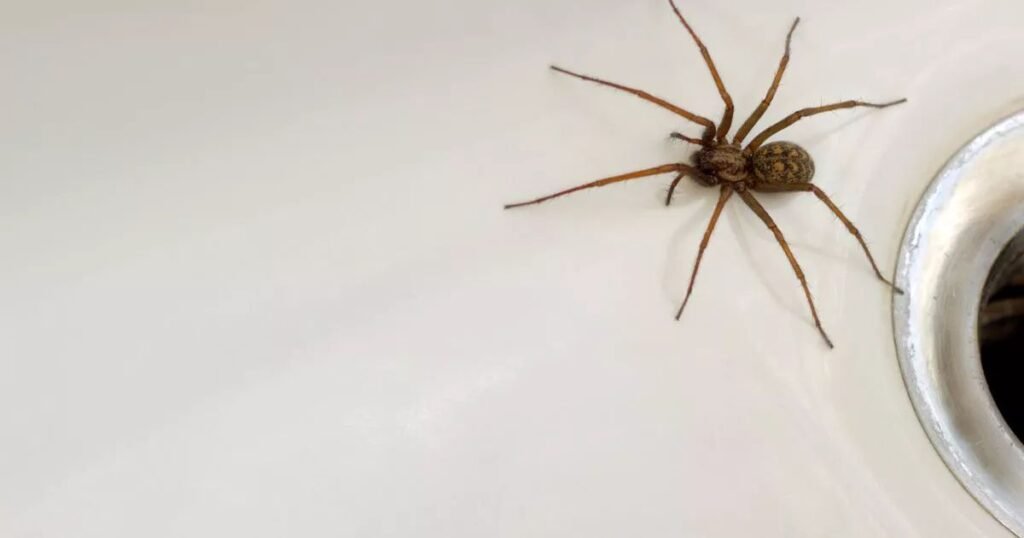
Humidity also plays a crucial role in attracting hobo spiders to homes. These spiders thrive in damp conditions, meaning areas with poor ventilation or water leaks can quickly turn into a nesting ground. Unsealed cracks and gaps around doors offer inviting pathways for these pests, as they tend to stay close to the ground level where they feel the most secure.
As summer fades into autumn, the behavioral patterns shift, with male hobo spiders becoming increasingly mobile in their quest for mates, making late summer and early fall prime times for human encounters.
12. Prevention and Pest Control Tips
Preventing hobo spider infestations hinges not only on immediate action but also on a shift in how we perceive our living environments. Structural improvements, like sealing cracks and installing weather stripping, create an initial barrier against these unwelcome guests.
However, it’s the combination of maintenance and education that truly fortifies our defenses. Regularly vacuuming and promptly removing spider webs not only maintains cleanliness but sends a clear message to any potential intruders: this space is occupied and well cared for.
Equally vital is moisture control. By addressing leaks and utilizing dehumidifiers, homeowners can drastically reduce the humidity that hobo spiders find inviting. This shift makes your home less appealing to these moisture-seeking arachnids.
Meanwhile, maintaining tidy outdoor spaces clearing debris and properly storing firewood helps thwart spider habitats before they even pose a threat. If encounters persist despite your efforts, don’t overlook the value of professional help. Pest control companies increasingly advocate for non-chemical approaches, emphasizing integrated pest management strategies that prioritize long-term prevention and encourage an informed response over hasty chemical solutions.
Understanding Hobo Spider Behavior
Understanding hobo spider behavior reveals an important truth: these misunderstood creatures are far more beneficial than threatening. Often mischaracterized due to their nickname, hobo spiders rarely bite unless they feel cornered.
When they do bite, it’s usually a defensive response, typically occurring if they are accidentally pressed against skin or handled improperly. This emphasizes the need for a respectful coexistence with these spiders, highlighting the balance of nature where fear often overshadows fact.
Beyond their misunderstood reputation, hobo spiders serve as efficient predators, diligently managing pest populations in our environments. By controlling insects like flies, mosquitoes, and beetles, they inadvertently contribute to our comfort, making our homes less hospitable to unwanted guests.
Their role is not just about survival; it’s about harmony in the ecosystem. Moreover, research from Utah State University underscores that the medical risks associated with their venom are greatly exaggerated, dispelling myths of flesh-eating dangers and enhancing our understanding of hobo spider behavior. Embracing these facts can foster a healthier respect for our eight-legged neighbors, ensuring they remain a critical component of our natural pest control.
Hobo Spider vs Wolf Spider: Quick Comparison
When exploring the differences between the hobo spider and the wolf spider, it’s essential to consider their hunting strategies these tactics paint a vivid picture of each species’ lifestyle. The wolf spider, with its remarkable agility, exemplifies predation in motion.
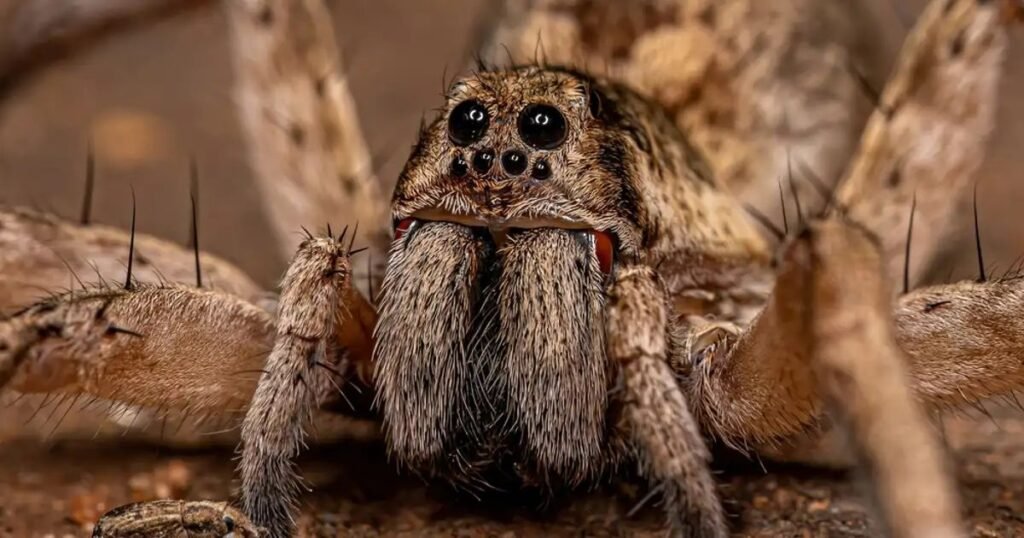
Relying solely on its speed and sharp eyesight, it actively pursues prey, showcasing a dynamic hunting style rarely seen in spiders. The unique structure of its large eyes, which reflect light and produce a captivating glow in the dark, adds a layer of intrigue to their demeanor as they navigate various terrains.
Final Words
Hobo spiders are often misjudged creatures that possess a unique blend of characteristics and behaviors that make them both intriguing and essential to our ecosystem. From their impressive web-building skills to their surprising adaptability, these arachnids contribute significantly to the balance of their environment, despite their fearsome reputation.
Understanding their biology and lifestyle can help demystify many misconceptions surrounding them. As we continue to explore the natural world, it’s crucial to approach all creatures, including hobo spiders, with curiosity rather than fear. So, the next time you encounter one of these spiders, take a moment to appreciate their role in nature, and perhaps even share your newfound knowledge with others!
FAQs
How poisonous is a hobo spider?
The hobo spider, often mistaken for the brown recluse, is not classified among the dangerously venomous spiders. While its bite can cause localized pain and redness, the severity of its effects on humans is largely overstated.
Why is it called a hobo spider?
The term “hobo spider” is derived from the word “hobo,” which refers to individuals who travel freely, often hitchhiking or moving from place to place in search of work or better living conditions. This name reflects the spider’s tendency to spread its territory by hitching rides with humans, particularly along major highways in the Pacific Northwest.
What is the biggest spider web ever found?
The largest spider web ever found measures an astonishing 1,140 square feet and was discovered in 2019 in a remote area of Madagascar.
Are there hobo spiders in the UK?
Yes, hobo spiders do exist in the UK, having been introduced from Europe, where they are native. They were first recorded in Britain in 1949 at Wilverley Plain in Hampshire.