
11 Fascinating Facts About the Angler Fish: Nature’s Deep-Sea Predator
Did you know that the angler fish can lure prey using a bioluminescent bait that dangles from its head? Recently, this enchanting yet eerie creature captured the internet’s fascination, sparking a whirlwind of reactions ranging from fear to adoration.
a biologist, it’s thrilling to witness such interest in deep-sea life, especially since these remarkable predators often go unnoticed. However, with this buzz comes a myriad of misconceptions. In this article, I’ll clarify some fascinating facts about the angler fish and explain why it deserves our admiration, not just our fear.
Facts About the Angler Fish
1. The Angler Fish Belongs to the Order Lophiiformes
The angler fish belongs to the order Lophiiformes, a captivating group that showcases some of nature’s most innovative adaptations. With over 200 recognized species, from deep-sea dwellers to the quirky frogfish, these fascinating creatures share a unique hunting strategy centered around a modified fin ray known as the illicium.
This dorsal spine dangles a fleshy lure, or esca, which not only glows to attract prey but also mimics the movements of bewildering bait, enhancing their hunting prowess in the pitch-black depths of the ocean.
What sets anglerfish apart in this diverse family is their extraordinary evolutionary leap towards survival. The illicium acts like an organic fishing pole, expertly enticing unsuspecting fish to come within striking distance.
Unlike traditional predators that rely on sheer size or speed, anglerfish have perfected the art of deception turning their own anatomy into effective traps to lure in the slow-witted. This beguiling strategy extends to several species within Lophiiformes, cementing their role as masters of ambush in the underwater world.
2. Deep-Sea Anglerfish Live Where Light Doesn’t Reach
In the eerie abyss where light dares not tread, deep-sea anglerfish thrive in an environment that would challenge the hardiest of creatures. Living in the bathypelagic zone, they’ve evolved bizarre adaptations that exemplify nature’s ingenuity.
The enchanting glow of their lures isn’t merely for show; it’s a carefully orchestrated ruse crafted through a symbiotic partnership with bioluminescent bacteria. This relationship transforms the anglerfish into a master of deception, turning their own bodies into irresistible beacons amidst the endless darkness.
The deep-sea anglerfish’s hunting strategy is a brilliant juxtaposition of patience and precision. By remaining motionless in the dark, they mimic the very environment around them, allowing the flickering glow of their lure to beckon potential prey like moths to a flame.
This technique turns the stark reality of their frozen habitat into an opportunistic playground, where energy conservation and cunning predation go hand in hand. Their lifestyle serves as a reminder of the wonders and mysteries that lie beneath the surface, in depths where humanity can only begin to speculate about what life truly means when light doesn’t reach.
3. Female Anglerfish Are Giants Compared to the Males
Female anglerfish are giants compared to the males, a striking example of sexual dimorphism in the deep sea. While the females can stretch over a meter in length, their male counterparts are mere shadows, often measuring just a few centimeters.
This stark size difference isn’t merely aesthetic; it plays a critical role in their survival in the dark, competitive underwater world. The females, equipped with bioluminescent lures and formidable jaws, take on the role of apex predators, beckoning unsuspecting prey with their captivating glow.
The males, in contrast, have evolved to be scavengers rather than hunters. Their diminutive size means they can easily find and cling to the larger females, a strategy that ensures their survival by providing them access to food in exchange for a chance to mate.
4. Their Lure Is a Living Lightbulb
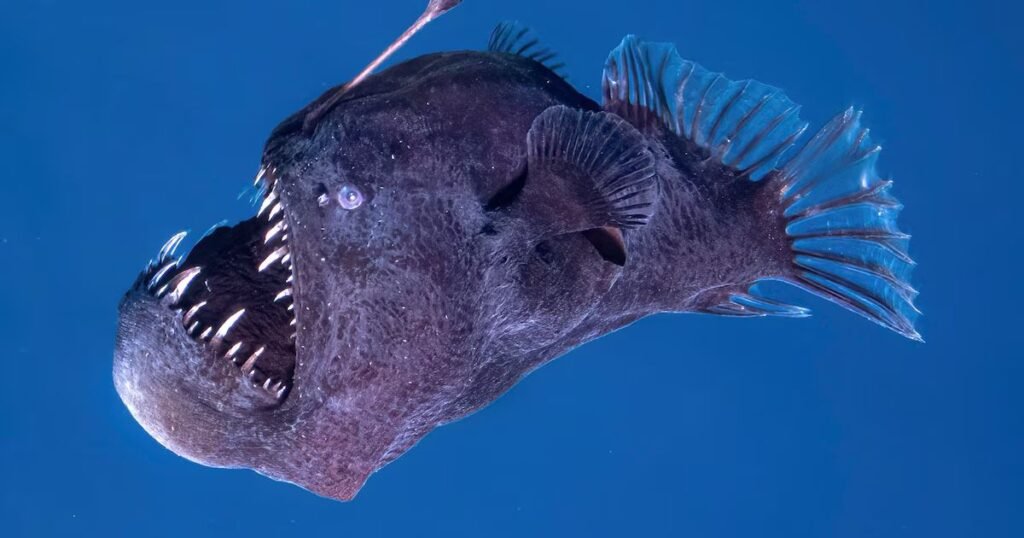
The angler fish’s lure is a living lightbulb, a remarkable fusion of biology and evolution that showcases nature’s creativity. This bioluminescent marvel, powered by *Photobacterium*, not only lures unsuspecting prey but also acts as a beacon of communication in the dark, enigmatic depths of the ocean.
When the lure glows, it produces patterns that may transmit messages between anglerfish, forming a silent language amid the murky waters. This interplay of light and life highlights how survival often hinges on collaboration, even in a solitary predator.
Furthermore, the lure’s glow ingeniously mimics the faint ambient light filtering down from above, perfectly concealing the angler fish’s silhouette against the backdrop of its underwater realm. This camouflage strategy allows it to stalk its prey with remarkable stealth.
Every flicker of light is a calculated move in the predator’s game, blending allure with invisibility and revealing the complex strategies that define life in the abyss. As we explore these depths, the angler fish reminds us that some of nature’s most extraordinary tools not only capture life but also illuminate the intricate dance of survival.
5. Not All Anglerfish Live in the Deep Sea
Not all anglerfish live in the deep sea; some fascinating species inhabit vibrant shallow waters and coral reefs. Among them, the colorful frogfish and sea toads showcase unique adaptations that challenge our preconceptions about anglerfish.
Unlike their deep-sea relatives, these smaller cousins thrive in well-lit environments, employing clever strategies to ambush prey. With their specialized pectoral fins, they gracefully “walk” along the seafloor, blending seamlessly with their surroundings.
One of their most captivating features is their ability to change color, allowing them to mimic the hues of the coral and seafloor. This natural camouflage enhances their hunting prowess, as they can lay in wait, virtually invisible to unsuspecting prey.
Rather than producing bioluminescent lures, frogfish and sea toads wave their modified dorsal spines, enticing smaller creatures like worms and shrimp. This motion mimics prey in action, showcasing an intriguing blend of creativity and stealth that highlights the adaptability of life in diverse marine ecosystems.
6. They’re Masters of Energy Conservation
At the ocean’s depths, where meals are as elusive as the dim light filtering from above, anglerfish stand out as masters of energy conservation. Their adeptness at minimizing movement makes every heartbeat and flick of their bioluminescent lure a strategic decision.
In a habitat characterized by scarce food resources, the anglerfish has evolved to thrive on an astonishingly slow metabolism, allowing them to endure weeks without sustenance. This remarkable adaptation not only sustains their lives but highlights their evolutionary prowess in a relentless, dark world.
Their limited muscle mass translates into minimal energy expenditure; every twitch is a carefully calculated risk rather than a hasty maneuver. This evolutionary trade-off enables them to blend into their environment, remaining motionless and invisible to both predator and prey.
By balancing hunger with endurance, anglerfish demonstrate an extraordinary example of life’s resilience in harsh settings, proving that in the deep sea, patience is a more valuable resource than speed. This relentless quest for survival reveals an intricate dance between biology and the unforgiving demands of an abyssal existence.
7. They Play an Important Role in Marine Ecology
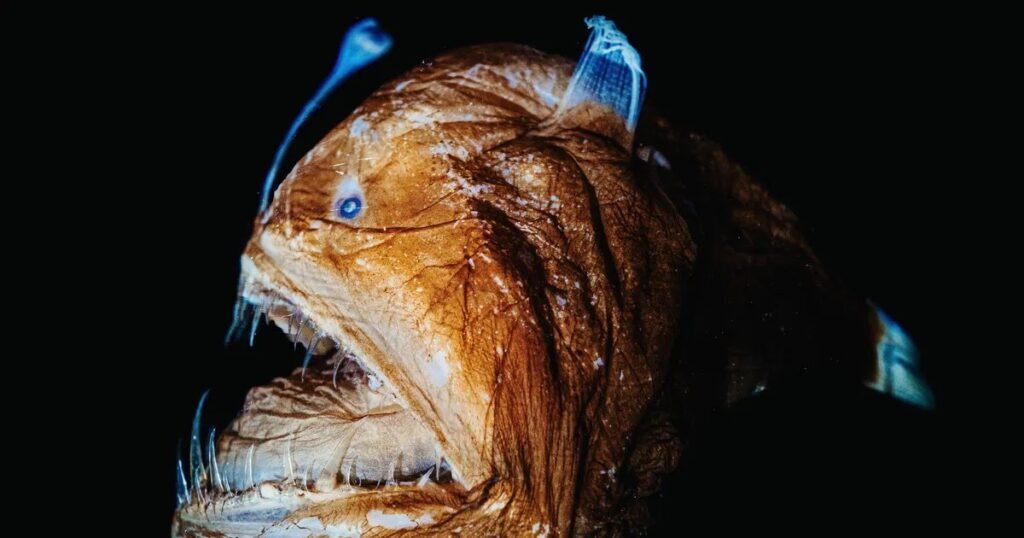
Anglerfish, with their eerie bioluminescent lures and formidable teeth, might not win any beauty contests, but they play an important role in marine ecology.
As avid hunters of smaller fish and invertebrates, they help regulate the populations of these species, preventing overpopulation that could disrupt the delicate balance of deep-sea ecosystems. Their unique hunting adaptations not only make them efficient predators but also position them as vital contributors to oceanic stability.
Anglerfish serve as a crucial food source for larger predators, such as sharks and sperm whales. This relationship highlights their significance in the food web, where each species, regardless of its fearsome appearance, has a role to play.
When these unusual fish die, their bodies don’t simply disappear; they descend into the depths, enriching benthic ecosystems. This process of nutrient cycling not only supports a diverse array of organisms but also showcases the interconnectedness of life in the ocean, reminding us that even the most fearsome creatures have their place in the intricate tapestry of marine ecology.
8. There Are Dozens of Species, and Many Still Undiscovered
There are dozens of species of anglerfish, each showcasing an incredible adaptation to their deep-sea habitats. From the bioluminescent lures of the Ceratiidae family that attract prey in total darkness, to the masterful camouflage of Antennariidae, these fish are not just fascinating; they embody the mysteries of life in the ocean’s depths.
The use of remotely operated vehicles (ROVs) opens a window to these hidden realms, revealing not just fragile anglerfish but also intricate ecosystems thriving in extreme conditions. Each new discovery prompts groundbreaking questions about biodiversity, adaptation, and the resilience of life on our planet.
These elusive creatures, living in an environment reminiscent of alien worlds, remind us that the final frontiers of exploration aren’t just in outer space, but right here on Earth — beneath the waves, where wonders and secrets linger, waiting to be unveiled.
9. They’re Not Dangerous to Humans
Anglerfish, often seen as the poster child of deep-sea terror, are fascinating creatures that evoke a mix of curiosity and fear. But here’s the surprising truth: they’re not dangerous to humans. These astonishing predators are adapted to thrive in the darkest depths of the ocean, typically beyond the reach of recreational divers and even most submersibles.
One might envision these fish as fearsome beasts with their predatory traits — sharp teeth and dissected jaws — but these features serve a specific purpose: to capture unsuspecting meals, not to intimidate admirable beachgoers.
Even the shallow-water relatives, like frogfish, are diminutive and pose no risk. In fact, their unique camouflage and hunting strategies offer a glimpse into the complexities of marine life, revealing an intricate dance of survival that prioritizes stealth over confrontation. So next time someone questions the existence of anglerfish, remember, their fascinating biology is far more interesting than any myths surrounding their supposed menace.
10. Conservation and Climate Change Are New Threats
Deep-sea anglerfish, once thought to be shielded from the detrimental impacts of human activity, now face stark realities as conservation and climate change emerge as formidable threats.
While these enigmatic creatures inhabit the depths, far removed from industrial pollution and overfishing, the mechanisms that govern their survival are becoming increasingly vulnerable. Deep-sea trawling disrupts not only their habitats but also the intricate web of life that sustains them, leading to unintentional yet devastating consequences.
Rising ocean temperatures and declining oxygen levels further exacerbate this predicament, altering the delicate ecosystems where anglerfish thrive. These conditions undermine the symbiotic bacteria responsible for producing light in their lures, a critical adaptation for survival in the pitch-black depths.
As these essential partnerships falter, the future of anglerfish and the broader marine biodiversity they represent hangs in the balance. Although they are not currently classified as endangered, the push for conservation has never been more urgent. Articulating the need for robust protection measures can help ensure that these remarkable fish remain part of our oceans for generations to come.
11. Some Anglerfish Species Are Culinary Delicacies
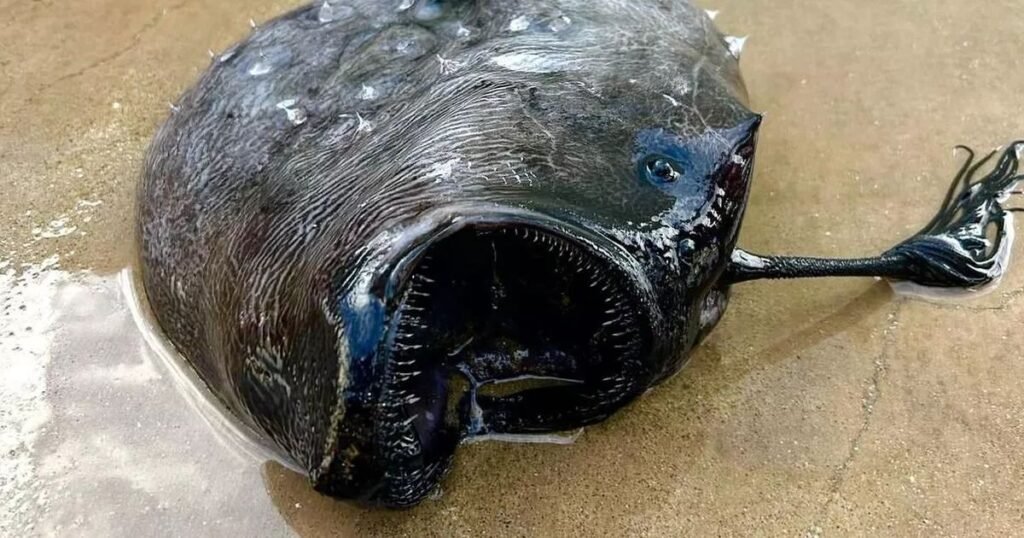
While deep-sea anglerfish remain elusive and untouched by commercial fishing, some anglerfish species are culinary delicacies that tantalize foodies around the globe. Monkfish, known scientifically as Lophius piscatorius and Lophius americanus, have carved a niche in kitchens, often earning the endearing title “poor man’s lobster.” Its firm, white flesh captures the essence of the sea, offering a subtly sweet flavor reminiscent of its more luxurious crustacean counterpart.
In Japan, the anglerfish takes on a starring role in an exquisite winter dish called ankō nabe. This comforting hot pot showcases not just the fish’s meat but also its liver, skin, and fins, all simmered together in a savory broth that warms both the soul and palate.
The liver, or ankimo, is particularly revered, with chefs often drawing parallels between its rich, buttery texture and the finest foie gras, transforming a humble fish into a gourmet experience. Such dishes elevate anglerfish beyond mere sustenance, creating a cultural feast that celebrates its unique flavors and textures.
Read Also: Spiritual Meanings Of Seeing A White Spider
Conclusion
The remarkable adaptations of the angler fish highlight the wonders of evolution in one of the ocean’s most enigmatic predators. From its bioluminescent lure to its ability to endure the extreme pressures of deep-sea habitats, the angler fish showcases nature’s ingenuity at its finest.
The diverse insights into its lifestyle and hunting techniques provide a glimpse into the complexities of marine ecosystems. As we continue to unravel the mysteries of the angler fish, we are reminded of how much more there is to learn about our oceans. Dive deeper into this captivating subject and explore more about the incredible creatures that inhabit our planet!
FAQs
What is a cool fact about the anglerfish?
A fascinating fact about anglerfish is their unique method of attracting prey using a bioluminescent lure. This lure, which is actually a modified dorsal spine, glows in the dark and mimics the appearance of smaller fish or organisms, drawing unsuspecting prey closer.
How long do angler fish live?
Anglerfish have a lifespan that can vary significantly between sexes, with females typically living much longer than males. On average, females can live for about 25 years, while males usually only reach around 21 years.
What’s the rarest angler fish?
The black seadevil anglerfish (a species from the family Ceratiidae) is often considered one of the rarest and most fascinating anglerfish due to its deep-sea habitat and unique adaptations.
Can angler fish turn its light off?
Yes, anglerfish have a unique ability to control their bioluminescent lure. Using a specialized muscular skin flap, they can conceal or reveal this light source at will.