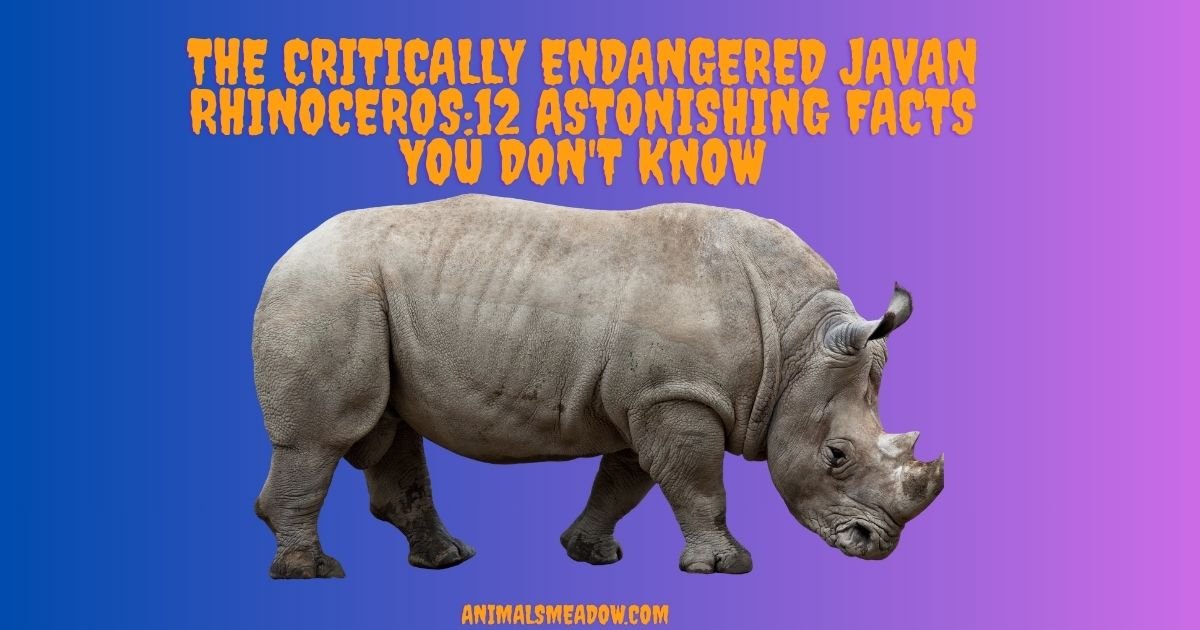
The Critically Endangered Javan Rhinoceros:12 Astonishing Facts You Don’t know
In this article we discuss 12 facts of Javan Rhino Imagine a species so rare that its entire wild population barely exceeds that of a large family gathering this is the stark reality for the Javan rhinoceros (Rhinoceros sondaicus).
Flagging these remarkable creatures, also known as the lesser one-horned rhinoceros, we delve into 12 essential facts that highlight their significance in global biodiversity. Join us as we uncover how the survival of the Javan rhino impacts ecosystems and what you can do to support their conservation efforts.
With fewer than 80 individuals left, this critically endangered species exemplifies both the precariousness of wildlife today and the incredible outcomes of dedicated conservation work.
1. The Javan Rhinoceros: World’s Rarest Rhino Species
The Javan rhinoceros, with its fewer than 80 remaining individuals, is not only a symbol of conservation urgency but also a profound testament to nature’s resilience. Unlike its more recognized cousins, such as the northern white rhino, the Javan rhino has shown a surprising capacity for recovery, climbing from a precarious 50 just ten years ago.
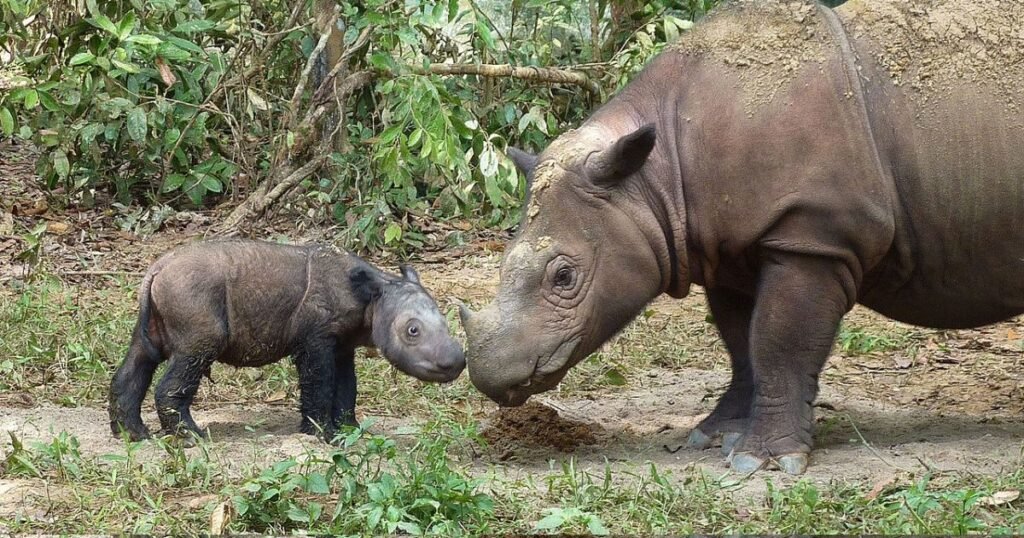
This slow but hopeful increase highlights a unique interplay between conservation efforts and habitat preservation, especially within the Ujung Kulon National Park in Indonesia, where these elusive giants find their last refuge. Javan rhino facts reveal a species uniquely adapted to dense rainforests, primarily feeding on a diet of leaves, fruits, and shoots.
2. Ujung Kulon National Park: Last Sanctuary for Javan Rhinos
Ujung Kulon National Park stands as a testament to nature’s resilience and fragility, being the last sanctuary for Javan rhinos. This expansive 1,206 square kilometers of tropical forest is more than just a habitat; it’s a lush tapestry of dense vegetation that cradles the world’s rarest rhinoceros species.
The mud wallows, essential for their skin maintenance, scattered throughout the park serve not only as a necessity for the rhinos but as symbols of the delicate balance between survival and extinction.
3. Physical Characteristics: The Armored Giant
The Javan rhinoceros, often described as “the armored giant,” captivates with its thick, folded skin plates that create an impressive and formidable exterior. These adaptations not only provide protection but also lend a unique aesthetic, showcasing the ancient essence of evolutionary design. Weighing between 900–2,300 kg (2,000–5,000 lbs) and standing up to 1.7 meters tall at the shoulder, this majestic creature embodies the essence of resilience in the wild.
Unlike their Indian rhinoceros cousins, female Javan rhinos are notably hornless, which adds an intriguing layer to their physical characteristics.
4. Lesser One-Horned Rhinoceros: Understanding the Classification
The term “Lesser One-Horned Rhinoceros” aptly captures the essence of the Javan rhinoceros, a species shrouded in mystery and marked by its unique characteristics. Unlike its more robust cousin, the Indian rhinoceros, the Javan rhinoceros boasts a sleeker physique and a more elusive nature, making it an enigmatic presence in its dwindling habitat.
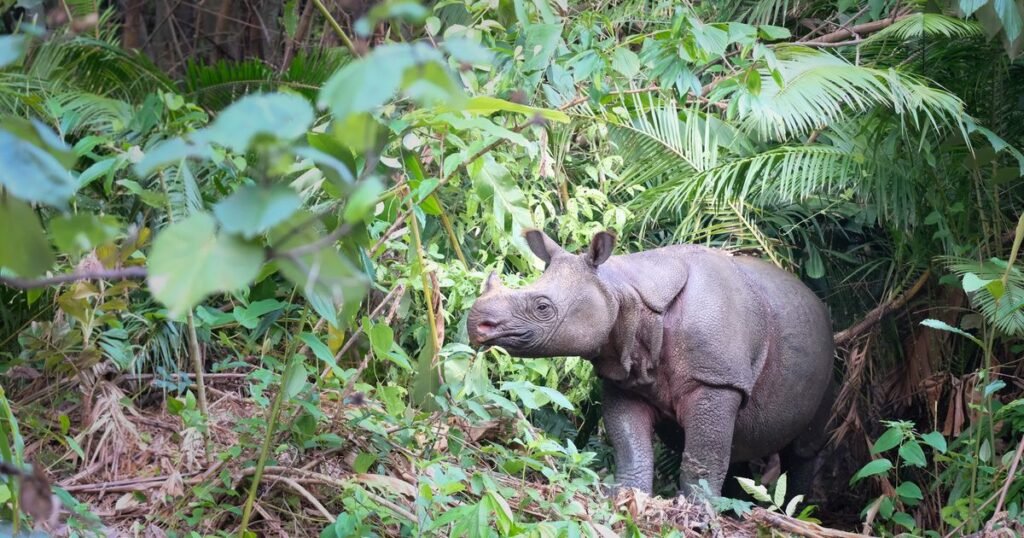
This smaller size and subtler skin folds highlight the Javan’s evolutionary adaptations, allowing it to maneuver through the dense, tropical forests of Java, where it thrives primarily in solitude.
5. Javan Rhino Diet: Adaptable Forest Browsers
The Javan rhinoceros, as adaptable forest browsers, showcases an impressive dietary flexibility that underpins its role in tropical ecosystems. With a remarkable palate that spans over 50 plant species from towering fig trees to delicate twisted saplings these rhinos demonstrate an intricate balance between nutritional needs and the diverse flora of their habitat.
Utilizing their nimble prehensile lips, they selectively harvest an array of shoots, fruits, and leaves, illustrating a unique relationship with their environment that enhances both their health and the vibrancy of the forest ecosystem.
6. Major Threats to Javan Rhino Population
The Javan rhino, a remarkable yet critically endangered species, faces intertwining threats that jeopardize its very existence. Poaching pressure continues to loom ominously over this beleaguered population, driven by an unyielding demand for rhino horn in traditional medicine markets.
Despite rigorous conservation efforts and legal protections, the allure of profit from the illegal trade remains a deadly temptation, underscoring the urgent need for enhanced anti-poaching measures and international cooperation.
Compounding this threat is habitat loss fueled by invasive species, notably the Arenga palm, which aggressively encroaches upon the Javan rhino’s feeding grounds. These palms outcompete native vegetation, diminishing the essential food sources that support the rhinos’ survival.
The ecological balance within Ujung Kulon National Park hangs by a thread, making habitat preservation vital not only for the rhinos but for the broader ecosystem that supports myriad species.
Read Also: 13 Animals In Arizona You Need to Know
7. Genetic Diversity Crisis in Javan Rhinos
The Genetic Diversity Crisis in Javan Rhinos has profound implications for their survival. With centuries of population decline, these majestic creatures now face an alarming genetic bottleneck, limiting their ability to thrive in changing environments.
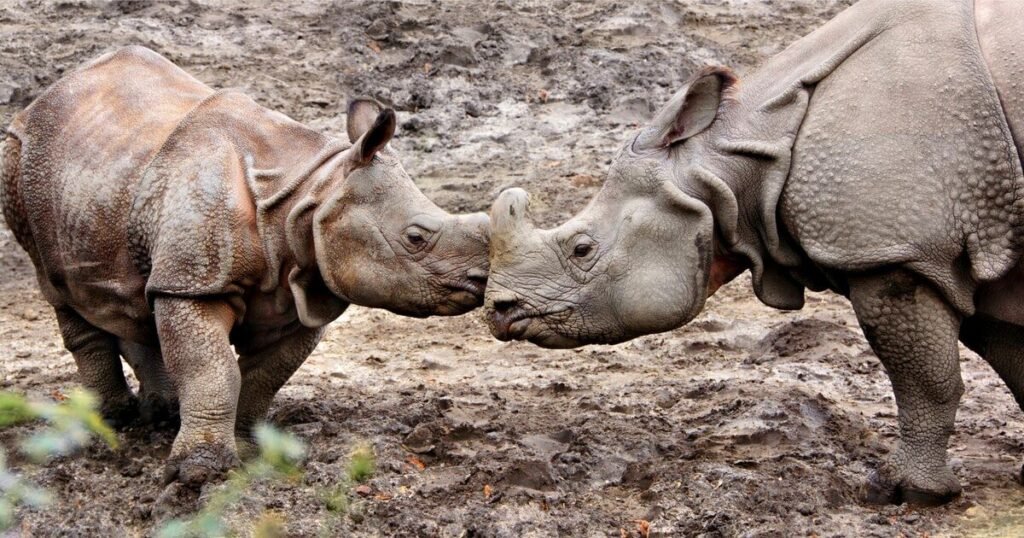
This reduced genetic reservoir not only hampers their adaptability but also heightens their vulnerability to disease transmission. Unlike their more diverse counterparts, the Javan rhinos lack the robust genetic traits that often help species combat emerging pathogens effectively.
8. Conservation Efforts: Global Collaboration for Javan Rhinos
Conservation efforts for Javan rhinos showcase a remarkable instance of global collaboration, primarily driven by organizations like the International Rhino Foundation and the Asian Rhino Specialist Group.
One of the standout initiatives involves intensive camera-trap monitoring of rhino populations that not only boosts understanding of their habits but also aids in tracking their health and movement in the wild. This technological approach allows researchers to gather invaluable data while minimizing human disturbance, vital for preserving such a solitary and critically endangered species.
Another key strategy is habitat loss prevention, particularly through invasive species removal, which helps restore the natural environment essential for the Javan rhino’s survival. Coupled with rigorous anti-poaching patrols, these efforts form a protective cocoon around the remaining populations.
9. Disease and Natural Disaster Risks
The survival of the Javan rhino is intricately linked to the environmental challenges it faces in Ujung Kulon National Park. One of the most pressing risks is the transmission of diseases from wild cattle, particularly hemorrhagic septicemia, which poses a significant threat to this critically endangered species.
The overlap in habitats increases the likelihood of contact, putting these majestic creatures at risk of debilitating infections that can decimate their already dwindling population.
10. Ecological Role: Keystone Species in Tropical Forests
Javan rhinoceroses, despite their dwindling population, play a pivotal role as ecological engineers in tropical forests, particularly within Ujung Kulon National Park. Their browsing habits create pathways that facilitate the movement of other wildlife, enhancing the overall ecosystem’s connectivity. These trails not only allow various species to traverse the dense underbrush but also foster interactions that are vital for a balanced ecosystem.
11. Comparing All Five Extant Rhino Species
Among the five extant rhino species, the Javan rhinoceros stands out as the rarest, with a mere 76 individuals known to exist in their isolated habitat of Ujung Kulon National Park, Indonesia. The dire situation of the Javan rhino emphasizes the importance of targeted conservation efforts.
In stark contrast, the Sumatran rhinoceros, although also critically endangered, showcases its uniqueness with its smaller frame and distinctive reddish-brown hair. This species once roamed widely throughout Southeast Asia, but habitat loss has confined it to fragmented populations, highlighting the urgent need for habitat restoration initiatives.
12. Future Outlook for Javan Rhinoceros
The future outlook for the Javan rhinoceros, once teetering on the brink of extinction, is cautiously optimistic, thanks to a multi-faceted approach to conservation. By focusing on the rigorous protection of Ujung Kulon National Park, where most of the remaining individuals reside, these magnificent creatures have seen their population grow from a mere 50 to nearly 80.
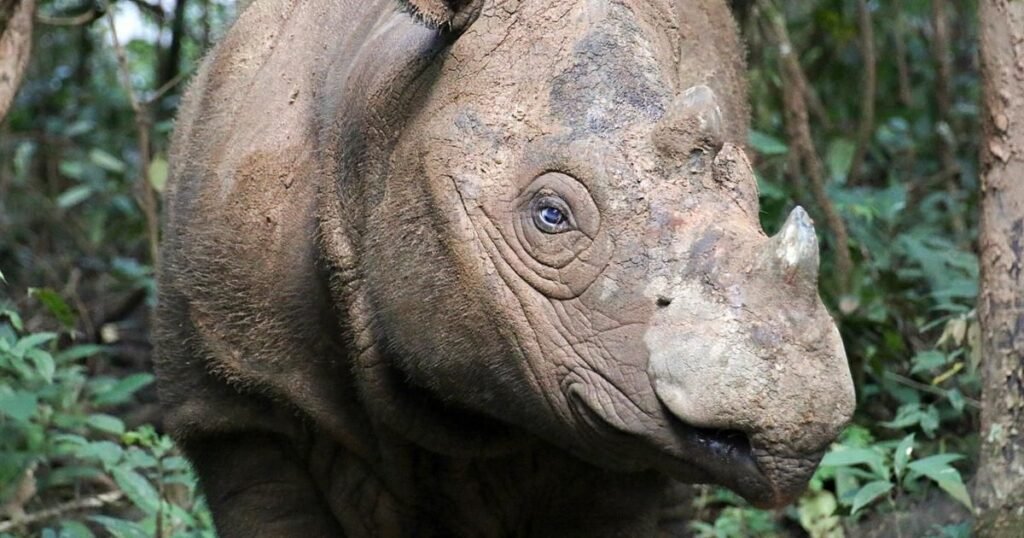
This success story is not simply about numbers; it’s about the intricate balance of preserving an ecosystem where each species plays a vital role.
Active habitat management, which includes the removal of invasive species, has further bolstered their survival, allowing the native flora and fauna to thrive alongside the rhinos.
Latest Research: Discovery of the Indian Javan Rhino in Thailand
The latest research revealing the discovery of the Indian Javan rhino in Thailand challenges long-held assumptions about the species’ extinction timeline and geographic distribution. By analyzing DNA from two specimens dating back approximately 100 years, researchers have debunked the belief that the Indian Javan rhino vanished from the landscape in the early nineteenth century.
Instead, these findings suggest that a distinct lineage survived well into the 20th century, indicating a resilience that calls for a reevaluation of conservation priorities in the region.
This groundbreaking study not only highlights the need for expanded geographic considerations in the conservation of rhinoceros species but also opens new avenues for understanding their evolutionary history. The dramatic genetic distinctions found in the Prachuap Kirikhan specimens underscore the complex interplay between habitat and subspecies survival.
As scientists delve deeper into the mysteries of these remarkable creatures, we might find that conservation efforts should not only focus on the surviving subspecies but also acknowledge historical populations that could inform breeding programs and habitat restoration initiatives for the future.
How Many Javan Rhinos are Left?
As of recent estimates, there are fewer than 80 Javan rhinos left in the world, all of which are found in Ujung Kulon National Park in Indonesia. This critically endangered species has faced severe threats, primarily due to habitat loss, poaching, and the impacts of climate change. Conservation efforts are ongoing, but the Javan rhino’s limited range and low population make it particularly vulnerable.
Where are Javan Rhinos Found?
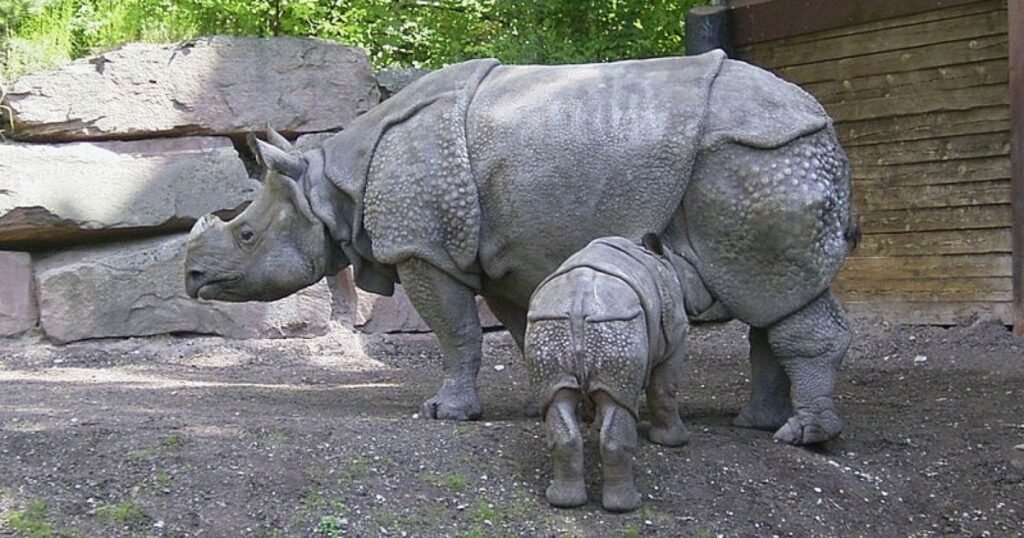
Javan rhinos are primarily found in Ujung Kulon National Park, located on the western tip of the island of Java, Indonesia. This remote and densely forested area provides a crucial habitat for the critically endangered species. The park is home to the largest remaining population of Javan rhinos, estimated to be around 76 individuals, making it the only known population of this subspecies.
Final Words
In conclusion, understanding the plight of the Javan rhinoceros not only reveals the astonishing characteristics of this remarkable species but also underscores the urgent need for wildlife conservation. Each of the twelve facts we’ve explored highlights the intricate balance of ecosystems and the vital role the Javan rhino plays within it.
As one of the most endangered mammals on the planet, their survival hinges on our collective efforts and awareness. By advocating for conservation initiatives and supporting organizations dedicated to protecting wildlife habitats, we can make a significant impact. Let us be the change-makers in preserving this extraordinary species for future generations.
FAQs
Why are the javan rhinoceros considered critically endangered?
The Javan rhinoceros is considered critically endangered primarily due to human-induced threats, particularly poaching and habitat loss. Despite being one of the rarest large mammals, this species faces significant pressure from the illegal wildlife trade, where rhino horns are highly valued for traditional medicine and ornamental purposes.
What is the most critically endangered rhino?
The Sumatran rhino (Dicerorhinus sumatrensis) is currently the most critically endangered rhino species, with an estimated population of fewer than 80 individuals remaining in the wild.
What disease is killing Javan rhinos?
Hemorrhagic septicemia is a serious bacterial disease that has unfortunately impacted Javan rhinos, particularly in their limited populations.
What are three reasons rhinos are endangered?
Rhinos are endangered primarily due to illegal wildlife trade, which poses a significant threat to their survival. Their horns are highly sought after in many cultures for traditional medicine and as a status symbol, driving poachers to target these magnificent animals relentlessly.