
13 Animals In Arizona You Need to Know: A complete Guide
Did you know that Arizona is home to over 800 species of animals, making it one of the most biodiverse states in North America? From the fiery landscapes of the Sonoran Desert to the lush greenery of the Colorado Plateau, the wildlife here presents a captivating study in adaptation.
In this article, we’ll explore the extraordinary creatures that inhabit Arizona’s varied ecosystems, shedding light on how they survive in such challenging environments. Whether you’re an avid nature enthusiast or simply curious about the animals in Arizona, you’re in for a revealing journey.
Animals In Arizona
Here we discuss 13 Animals In Arizona You Need to Know
1. Desert Bighorn Sheep
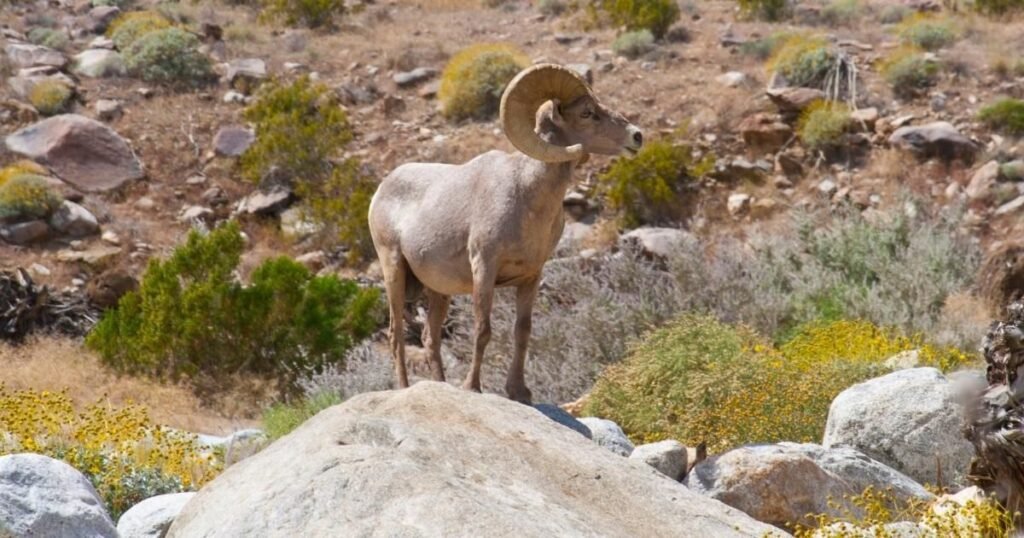
The desert bighorn sheep stands as a remarkable testament to nature’s resilience, perfectly adapted to survive in Arizona’s harshest conditions. With their impressive, curved horns and nimble bodies, these majestic creatures navigate the rocky terrains of the Sonoran Desert with astonishing agility, embodying both strength and grace.
Their keen ability to traverse steep cliffs not only showcases their physical prowess but also highlights their essential role in maintaining the health of their fragile ecosystem. Water is a rarity in their arid habitat, making their reliance on scarce sources a fascinating aspect of their survival strategy.
2. Black Bears
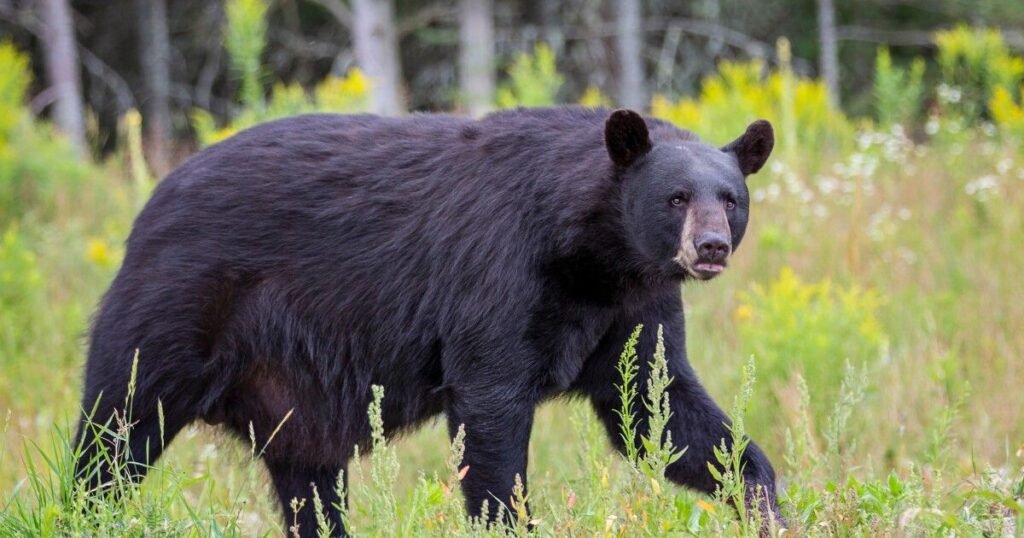
Black bears reign as Arizona’s largest mammals, thriving in the lush, forested mountains that define the state’s natural landscape. Their diverse coat colors ranging from jet black to warm cinnamon and even light blond reflect the rich tapestry of their habitats.
This variety not only adds to their charm but also serves a functional purpose; color variations can help them regulate temperature and camouflage in different environments. Observing these majestic creatures in their natural surroundings highlights the incredible adaptability of black bears, as they navigate both the dense forest and mountainous terrain.
Where to see them: White Mountains, Mogollon Rim, Kaibab Plateau
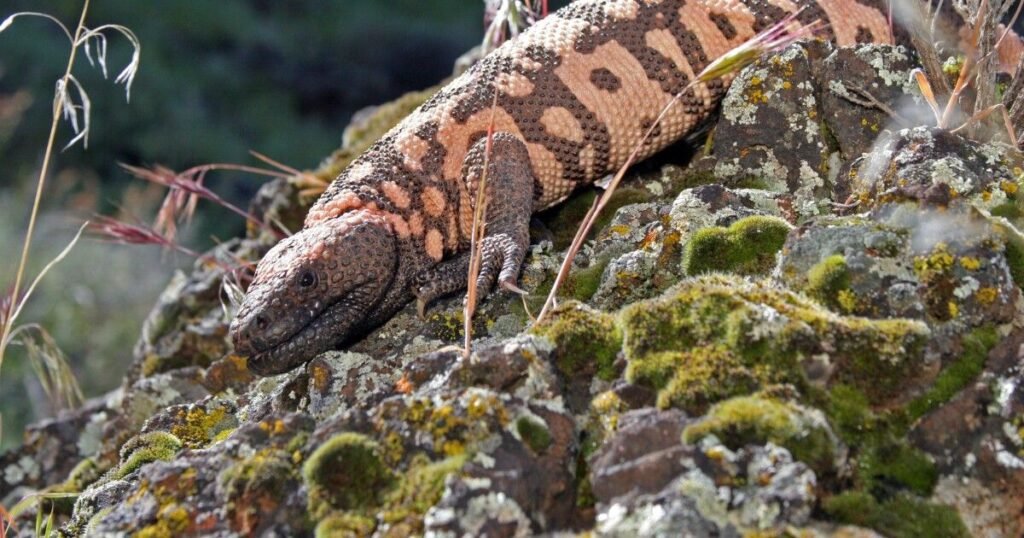
3. Gila Monster
The Gila monster, a fascinating inhabitant of the arid Southwest, defies preconceptions about lizards. It’s not just its striking black and orange patterned skin that commands attention; this reptile weaves a story of survival and adaptation in one of the harshest environments on Earth.
Spending much of its life underground, the Gila monster rests in burrows to escape the searing desert heat, illustrating a remarkable strategy for conserving energy and staying safe from predators.
Where to see them: Sonoran Desert and southern Arizona
4. Mountain Lions
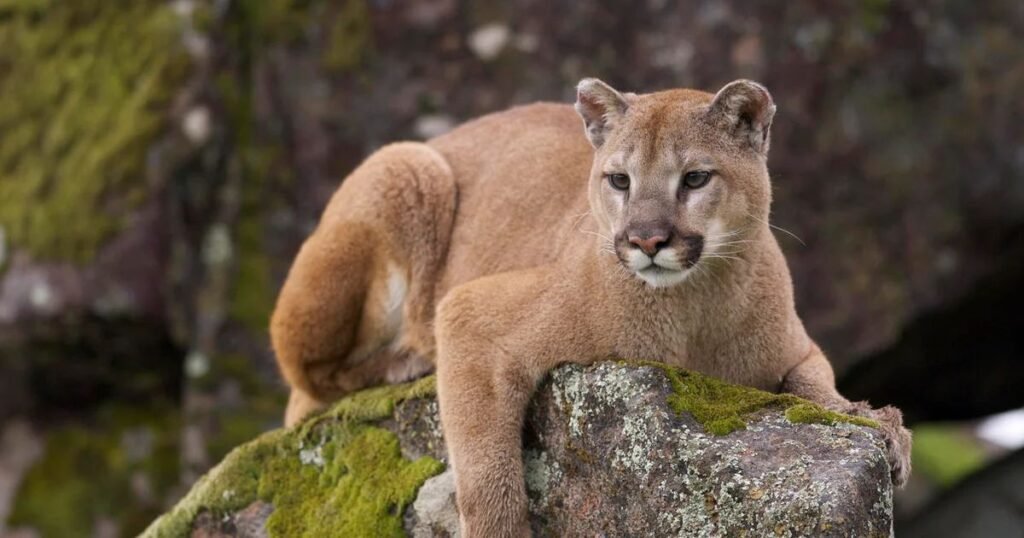
Mountain lions, or cougars, thrive in the diverse landscapes of Arizona, demonstrating their impressive adaptability. These apex predators are not just confined to the towering pines of the forest or the rugged cliffs of the mountains; they also traverse the arid deserts, showing a remarkable ability to acclimate to varying environments.
Their prowess in hunting deer, the primary target, is a reflection of their stealth and strength, but they occasionally turn their keen hunting skills towards smaller mammals. This flexibility in diet ensures they can thrive even when prey availability fluctuates.
Where to see them: Statewide, especially in areas with abundant deer
5. Jaguars
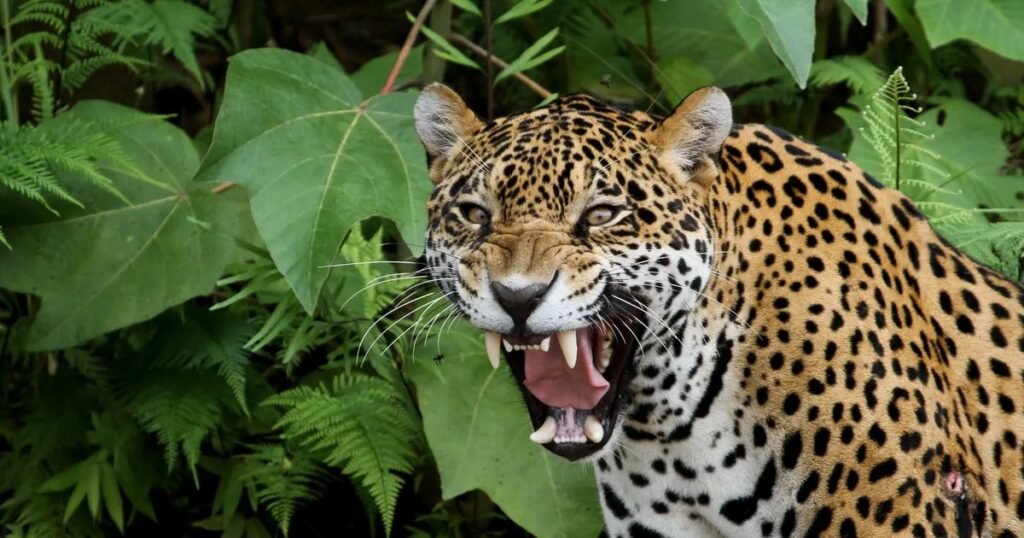
Jaguars, the elusive and mesmerizing apex predators, are making rare but notable appearances in southern Arizona, traversing the border from Mexico. Camera traps set in the stunning Santa Rita Mountains have validated these sightings, igniting a renewed sense of hope for wildlife enthusiasts and conservationists alike.
The presence of these magnificent cats underscores the importance of cross-border wildlife corridors, which serve as lifelines for various species, allowing them to roam freely between their habitats.
Where to see them: Southern Arizona borderlands
6. Bison
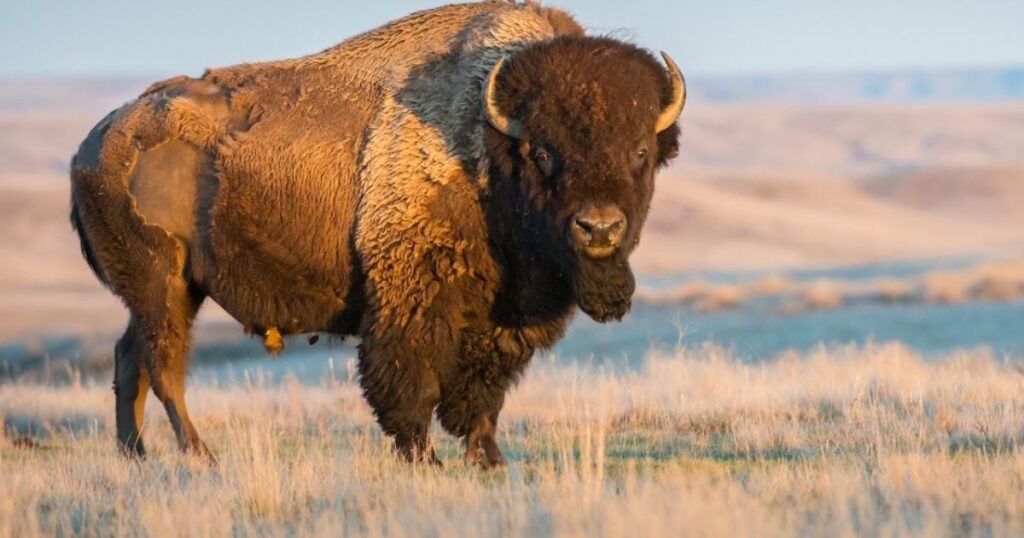
Nestled in the rugged terrain near the Grand Canyon, Arizona’s small yet vibrant bison herd represents both a conservation success and a bridge to understanding the region’s rich ecological tapestry.
Introduced in the early 1900s, these majestic grazers have adapted to the Southwest’s unique environment, where they play a crucial role in maintaining the health of the grasslands. Their grazing patterns help aerate the soil and promote new plant growth, fostering biodiversity that benefits other species in the area.
Where to see them: North Rim of Grand Canyon National Park
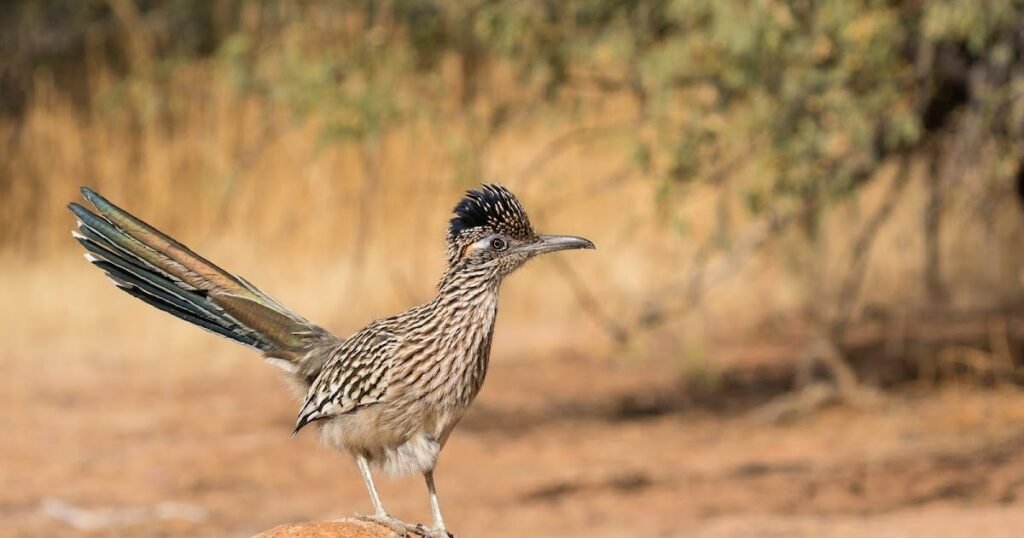
7. Roadrunners
In the heart of the Arizona desert, the roadrunner stands out not just for its remarkable speed but also for its fascinating hunting techniques. With the ability to sprint at speeds of up to 20 mph, these agile birds have evolved to become efficient predators, blending both stealth and agility as they stalk their prey.
Their diet is as varied as the arid landscape they inhabit; they feast on everything from insects to snakes, even tackling larger reptiles. This dietary versatility not only showcases their adaptability but also plays a crucial role in maintaining the ecological balance of their desert environment.
Where to see them: Sonoran and Chihuahuan deserts
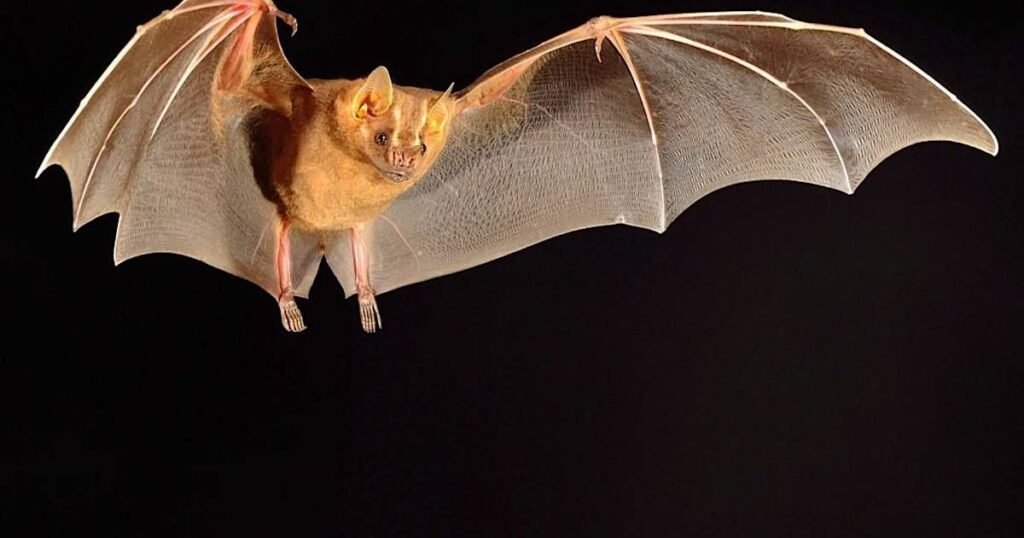
8. Bats
Arizona’s diverse landscapes provide an ideal habitat for over 28 bat species, making it a vital sanctuary for these remarkable creatures. These nocturnal mammals are often misunderstood, yet they play critical roles in maintaining the ecological balance of desert ecosystems.
By consuming vast quantities of insects, including agricultural pests, bats not only contribute to natural pest control but also help reduce the need for chemical pesticides, which can be detrimental to the environment.
Where to see them: Kartchner Caverns, Phoenix bridges, Tucson caves
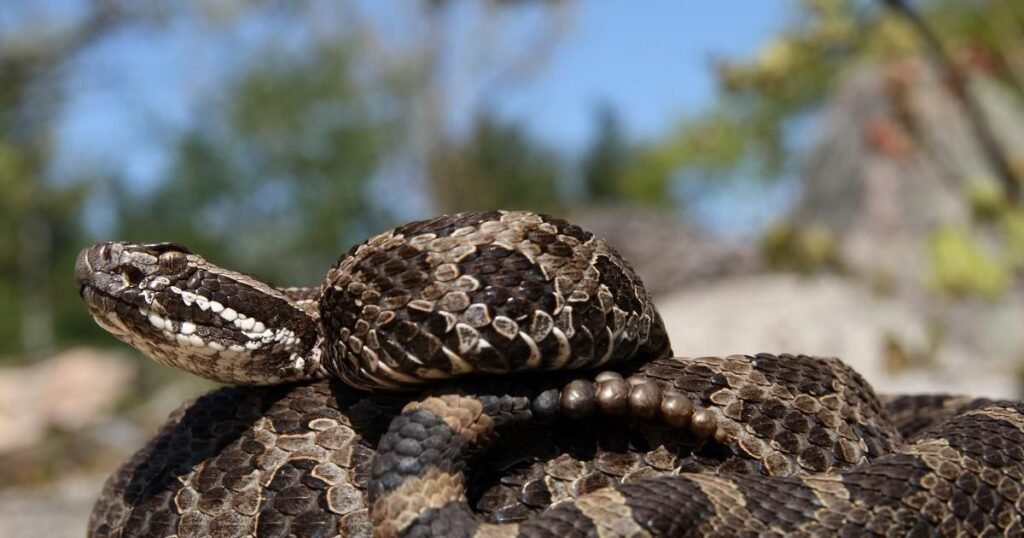
9. Snakes (Including Rattlesnakes)
Arizona’s diverse snake population, which includes over 50 species, plays a vital role in the ecosystem beyond the immediate fears associated with venomous varieties like the western diamondback rattlesnake.
While these rattlesnakes often steal the spotlight due to their danger and notoriety, the presence of various non-venomous snakes is equally crucial. These lesser-known species assist in controlling rodent populations, preventing potential agricultural damage and the spread of disease.
Where to see them: Statewide, especially in deserts and rocky habitats
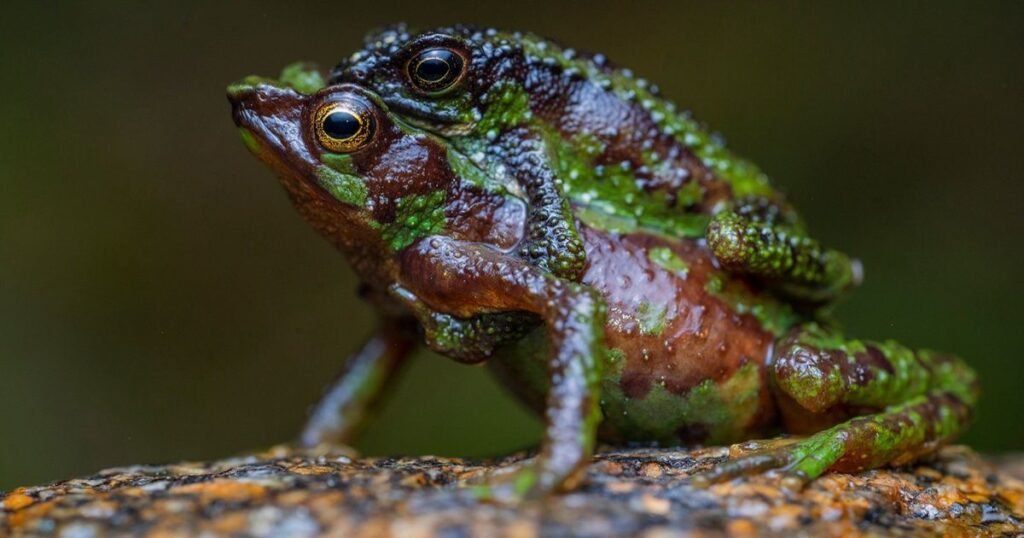
10. Amphibians
Amphibians have evolved remarkable adaptations to survive in the harsh Arizona deserts, challenging our assumptions about where these creatures can thrive. The spadefoot toad, for instance, is a master of dormancy, spending most of its life buried beneath the parched soil.
During the scorching summer months, these resilient toads enter a state of restivation, a hibernation-like period that allows them to conserve water and energy. When the life-giving monsoon rains finally arrive, they spring into action, emerging within hours to mate and feed in the temporary pools that quickly form, transforming the desert landscape.
Where to see them: Seasonal ponds, wetlands, and temporary desert pools
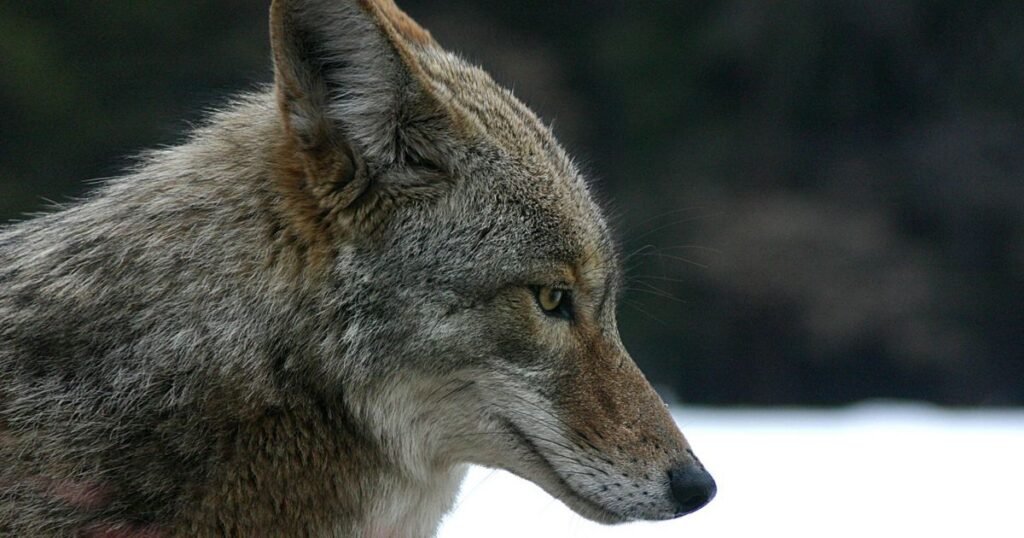
11. Coyotes
Coyotes are remarkable survivors, expertly navigating the diverse ecosystems of Arizona, from the arid deserts to lush forests and bustling urban landscapes. Their opportunistic nature allows them to thrive in varied habitats, showcasing an incredible adaptability that few other species possess.
With a diet that primarily consists of rodents, reptiles, and birds, they play a pivotal role in controlling prey populations, thereby maintaining the balance within their ecosystems. As they scavenge on carrion, they also contribute to a natural cleanup crew, preventing the spread of disease and promoting soil health.
Where to see them: Nearly everywhere in Arizona
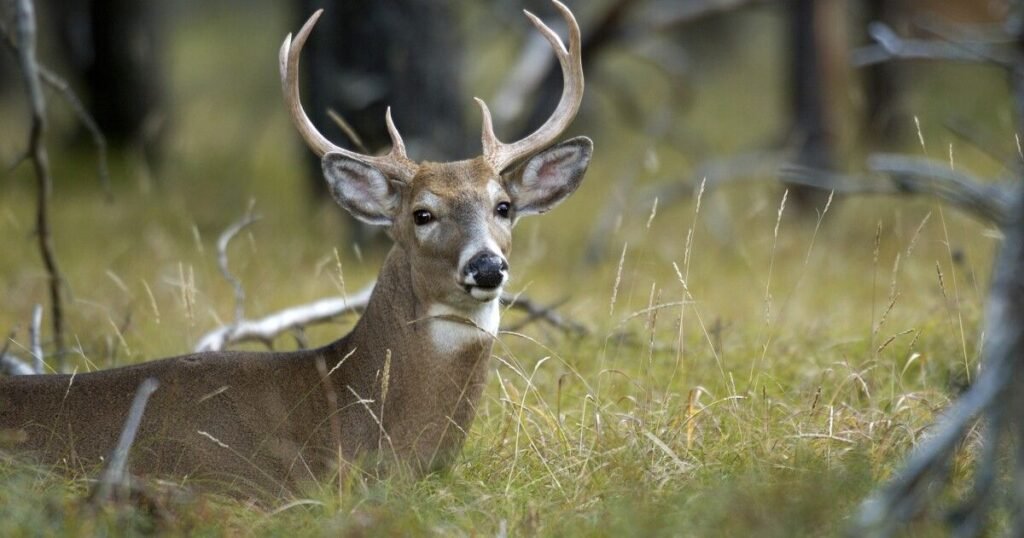
12. Deer
In Arizona’s diverse ecosystems, both mule deer and white-tailed deer thrive, showcasing remarkable adaptability. Mule deer, recognizable by their large ears and posturing stances, prefer the rugged terrain of the state’s mountainous regions, while white-tailed deer are often found in more wooded or riparian areas.
Their distinct habitats reflect their unique behaviors, with mule deer favoring a more solitary existence that contrasts with the social nature of white-tails, which often graze in family groups.
Where to see them: Grasslands, forests, and desert foothills
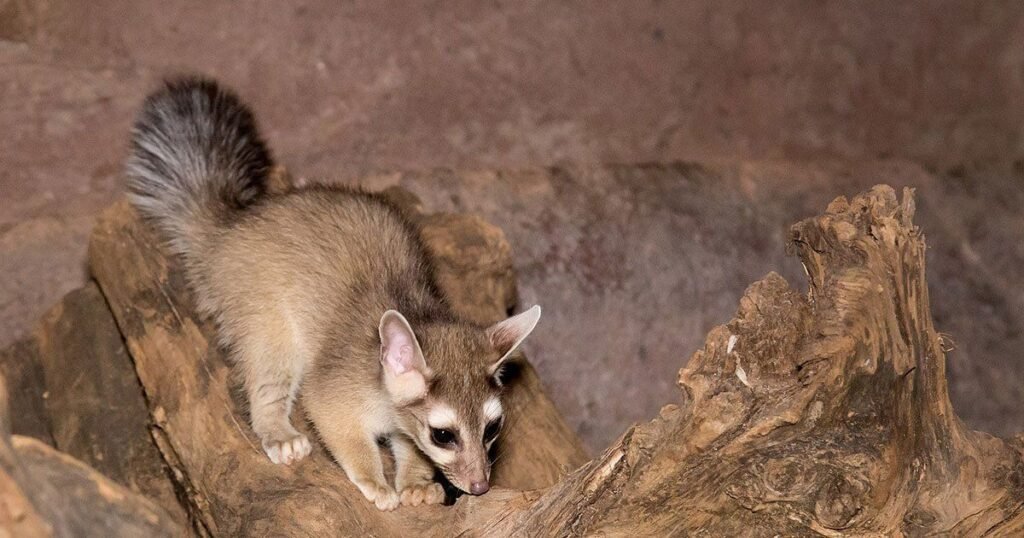
13. Ringtail (Bassariscus astutus)
The ringtail (Bassariscus astutus), often affectionately dubbed the “miner’s cat,” is more than just a curious creature of the Arizona landscape; it embodies the spirit of the wild, balancing elegance and utility. With its strikingly long, striped tail and catlike visage, this nimble climber navigates the rugged terrain of the desert, showcasing agility that rivals many of its feline counterparts.
Unlike true cats, however, ringtails share a closer kinship with raccoons, which explains their dexterous paws and playful demeanor.
Where to see them: Rocky canyons, desert cliffs, and wooded areas across Arizona
Conclusion
Arizona’s diverse wildlife showcases an incredible array of species, each with its own unique charm and ecological significance. From the majestic mountain lion to the elusive Gila monster, these 13 fascinating animals not only enrich the Grand Canyon State’s natural beauty but also remind us of the importance of preserving their habitats.
As we continue to explore and appreciate these remarkable creatures, let us remember our role in protecting their environments for future generations. Whether you’re a resident or a visitor, take the opportunity to immerse yourself in Arizona’s rich biodiversity and learn more about these amazing species. Delve into the wild and discover what makes Arizona’s wildlife truly unforgettable!
FAQs
What animal is common in Arizona?
Arizona is home to a diverse range of wildlife, but some animals stand out due to their unique adaptations to the desert environment. The rattlesnake and the Gila monster are emblematic of Arizona’s reptilian fauna, each showcasing fascinating survival strategies in the harsh climate.
What is the main predator in Arizona?
In Arizona, the main predator is often considered to be the coyote. Adaptable and resilient, coyotes thrive in various environments across the state, from deserts to forests.
What is Arizona’s national animal?
Arizona’s national animal is indeed the ringtail, a small, nocturnal mammal known for its long, bushy tail and playful demeanor.